You Won’t Believe What I Ate in Palawan
Palawan isn’t just about crystal-clear waters and limestone cliffs—its food scene is a hidden gem waiting to be explored. From smoky grilled seafood by the beach to fragrant local stews simmered in coconut milk, every bite tells a story. I didn’t expect my taste buds to be this awakened. This is more than dining—it’s a journey into the heart of Filipino island culture, one unforgettable meal at a time. The rhythm of life here moves with the tides, and so does the way people eat: fresh, simple, and deeply connected to the land and sea. In Palawan, food isn’t just sustenance; it’s celebration, memory, and hospitality served on banana leaves and chipped plates under swaying palms.
The Soul of Palawan on a Plate
Palawan’s cuisine is a quiet testament to resilience, resourcefulness, and reverence for nature. Unlike the complex sauces of European fine dining or the spice-layered traditions of neighboring countries, Palawan’s food speaks in clear, bold notes—salt from the sea, smoke from open flames, sweetness from ripe fruit, and creaminess from freshly grated coconut. This simplicity is not a lack of sophistication but a reflection of a lifestyle shaped by isolation and abundance. Surrounded by the South China Sea and Sulu Sea, with dense rainforests stretching inland, the island has always had everything it needs to feed itself.
Traditional dishes like kinilaw, a raw fish salad cured in vinegar, calamansi juice, ginger, and chili, are more than recipes—they are culinary heirlooms passed down through generations. Unlike ceviche, which relies heavily on citrus, kinilaw uses a balance of souring agents that preserve the fish while enhancing its natural flavor. It’s often made with tuna, mackerel, or even octopus, always served at room temperature, and typically eaten with steamed rice or fried cassava. The dish embodies the island’s relationship with the sea: immediate, respectful, and deeply personal.
Another staple, inaasal na baboy, or grilled native pig, is marinated in a mixture of vinegar, lemongrass, garlic, and annatto for color. It’s slow-roasted over coconut husks, giving the meat a smoky aroma and a slightly charred crust. Unlike commercial pork, native pig is leaner and more flavorful, raised freely in backyards and fed on kitchen scraps and root crops. When served with a side of grilled banana and a dipping sauce made from soy, vinegar, and chili, it becomes a complete expression of island life—resourceful, flavorful, and communal.
Desserts in Palawan are equally rooted in local produce. Ube halaya, a thick purple yam jam cooked slowly with coconut milk and sugar, is a beloved treat often served during festivals or family gatherings. The yam is grown in the highlands, its deep violet hue a sign of its richness in antioxidants. When simmered for hours until it reaches a velvety consistency, then topped with toasted coconut strips, it becomes a luxurious yet humble delight. These dishes, from appetizer to dessert, reflect a culture that values freshness, seasonality, and the joy of sharing food with others.
Where the Locals Eat: No Tourist Traps Allowed
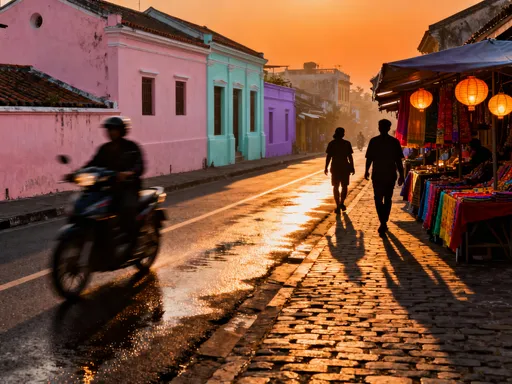
To truly taste Palawan, one must step away from the polished menus of beachfront resorts and follow the scent of grilling fish down narrow alleyways or along dusty roads. The real culinary heart of the island beats in small, unassuming places: family-run carinderias, roadside grills propped up on wooden crates, and bustling morning markets where plastic stools are pulled up to folding tables. These are not designed for Instagram aesthetics—they are built for flavor, affordability, and community.
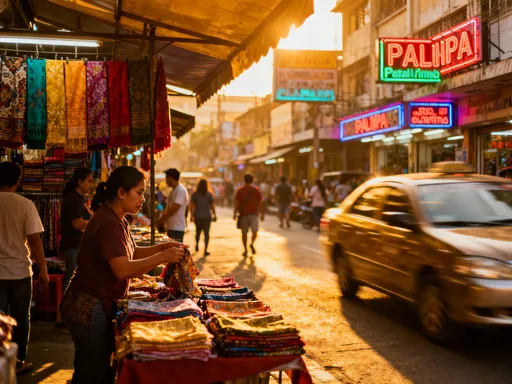
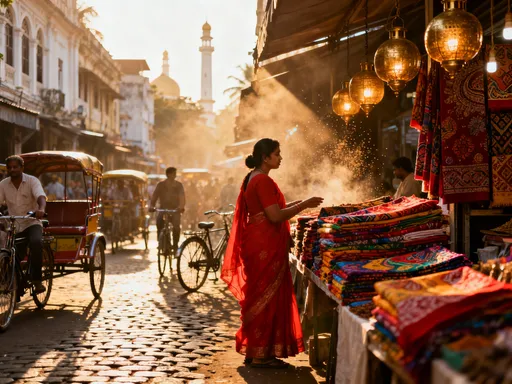
One of the best places to start is the Puerto Prinsesa Public Market, a sprawling complex where fishermen unload their morning catch, farmers bring in root crops and leafy greens, and vendors arrange pyramids of ripe mangoes, papayas, and coconuts. By 7 a.m., the air is thick with the smell of frying tuyo (dried fish), boiling lugaw (rice porridge), and roasting coffee. Locals line up at stalls selling pandesal (soft bread rolls) still warm from the oven, paired with sweetened condensed milk coffee or fresh coconut water.
The secret to finding the best food here is simple: look for the longest queue. A crowded stall is a sign of trust, freshness, and consistent quality. One such spot is a tiny carinderia tucked between a fish counter and a sari-sari store, where an elderly woman serves ginataang ampalaya (bitter melon in coconut milk) and grilled tilapia for less than two dollars. Her kitchen is just a single gas burner, but her food draws regulars from across the city. There are no menus—just a nod toward what’s ready in the pots.
In smaller towns like San Vicente or El Nido, the equivalent is the talipapa, a community market that doubles as a social hub. Here, mothers buy ingredients for dinner while children snack on banana cue (caramelized banana on a stick) or camote cue (sweet potato). Vendors call out specials in Tagalog or the local Palaw’an dialect. These markets are not tourist attractions—they are vital parts of daily life, and eating here means joining that rhythm, even if just for a meal.
Another unwritten rule of authentic dining in Palawan is the plastic stool test. If a place has flimsy chairs, no air conditioning, and a handwritten sign listing three dishes, it’s likely where the locals eat. These spots don’t rely on ambiance—they rely on flavor. And when you sit among fishermen, teachers, and market vendors, sharing a table and passing around extra rice, you’re not just eating—you’re being welcomed.
Seafood So Fresh, It’s Still Winking
In Palawan, seafood isn’t just a menu item—it’s a way of life. For coastal communities, the sea is both provider and partner. Fishermen set out before dawn in wooden bangkas, returning with nets full of snapper, grouper, mackerel, and squid. By mid-morning, the catch is already being cleaned, scaled, and prepared for grilling, stewing, or curing. The speed from ocean to plate is astonishing—sometimes less than two hours.
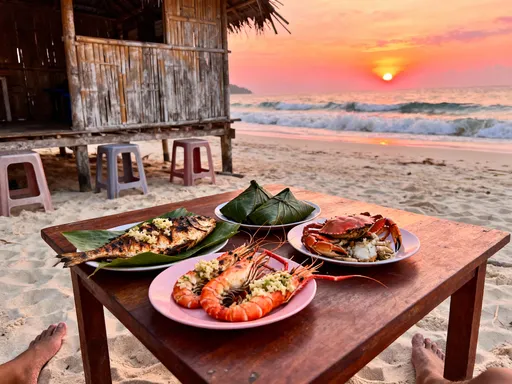
One of the most memorable experiences is eating sugpo, or king prawns, grilled over coconut husks. These massive crustaceans are skewered and cooked slowly, their shells turning deep red and crackling with heat. When cracked open, the meat inside is sweet, tender, and still slightly warm. A squeeze of calamansi and a dip in spicy vinegar elevate them to perfection. Eating them barefoot on the sand, with the tide just a few feet away, feels like a ritual older than memory.
Another favorite is tanigue, or mackerel scad, a fish abundant in Palawan’s waters. It’s often wrapped in banana leaf with sliced onions, tomatoes, and a splash of soy sauce, then grilled over charcoal. The banana leaf keeps the fish moist while infusing it with a subtle earthy aroma. When unwrapped, the flesh flakes apart easily, rich with the taste of the sea and the kiss of smoke. It’s commonly served with a mound of steamed rice and a side of pickled papaya for acidity.
What makes Palawan’s seafood culture sustainable is the informal but deeply observed practice of seasonality. Certain fish are only eaten during specific months, allowing populations to replenish. In some villages, fishing is done using hand lines or small nets, minimizing bycatch. There’s a quiet understanding that the sea must be respected—not exploited. This isn’t marketed as eco-tourism; it’s simply how things have always been done.
Even in more tourist-facing areas, many restaurants source directly from local boats. A sign that reads “Fresh catch today” isn’t a gimmick—it’s a fact. And when you ask what’s good, the answer is always the same: “Whatever came in this morning.” That immediacy, that connection between effort and reward, is what makes every seafood meal in Palawan feel like a gift.
Hidden Beachside Eateries You Gotta Find
Somewhere between El Nido and Coron, far from paved roads and Wi-Fi signals, there are beachside eateries that don’t appear on maps. They have no names, no websites, no neon signs—just a few bamboo poles holding up a thatched roof, plastic sheets flapping in the wind, and a charcoal grill sending smoke into the sky. These are the places where travelers who wander off the beaten path are rewarded with some of the best meals of their lives.
One such spot is near a secluded cove in northern Busuanga, accessible only by boat. There’s no dock—just a small stretch of sand where fishermen pull up their bangkas. A family runs the place, cooking out of a makeshift kitchen behind the hut. Their specialty is garlic butter crab, made with alimango caught that morning. The crabs are steamed, cracked, and tossed in a rich sauce of melted butter, minced garlic, and a splash of white wine. Served with cold beer and a view of the sunset over the water, it’s a meal that lingers in memory long after the last bite.
Another hidden gem is a floating platform near a mangrove channel in Taytay, where a couple serves sinugba na isda (grilled fish) and chilled coconut wine. Guests sit on wooden benches above the water, legs dangling just above the surface. The fish is marinated in vinegar and spices, then grilled until the skin is crisp and the flesh is flaky. The coconut wine, or tuba, is collected fresh from tapped coconut blossoms and served in hollowed-out coconut shells. Slightly sweet and mildly alcoholic, it’s the perfect companion to a long, lazy afternoon.
Finding these places requires curiosity and a willingness to ask. Boatmen, fishermen, and even children playing on the shore can point you in the right direction. Sometimes, it’s as simple as following the smoke or the sound of laughter. There’s no menu—just a nod toward the cooler where the fish are kept on ice. And when you sit down to eat, with the breeze in your hair and sand between your toes, you realize that this is what travel is meant to be: spontaneous, authentic, and deeply satisfying.
Food Adventures Beyond the Fork
In Palawan, eating is not always a passive experience. Some of the most meaningful meals come from doing—harvesting, cooking, sharing. These are the moments that transform a visitor into a participant, if only for a day. One of the most rewarding experiences is joining a bangka trip where lunch is prepared mid-lagoon by the boatman’s wife. She’ll fillet the morning’s catch, wrap it in banana leaf with spices, and tuck it into the hot coals of a portable grill. By noon, the scent of grilled fish fills the air, and everyone gathers around to eat with their hands, passing rice and dipping sauce from bowl to bowl.
Another unforgettable adventure is harvesting lato, or sea grapes, with a local family in Malcapuya. These tiny, jewel-like algae grow in shallow waters and are harvested by hand. They’re rinsed in fresh water, then served with a dressing of vinegar, tomatoes, and onions. Known as the “caviar of the sea,” lato has a briny crunch that bursts in the mouth. But more than its taste, the experience of wading through warm, knee-deep water, learning the gentle technique of plucking the clusters without damaging the roots, creates a deep respect for the ecosystem.
For those open to something truly unique, some communities offer a taste of crocodile sisig, made from ethically farmed crocodiles. The meat is boiled, grilled, and chopped finely, then mixed with onions, chili, and calamansi. It’s served sizzling on a hot plate, just like traditional pork sisig. While it may sound unusual, it’s part of a conservation effort—farming crocodiles reduces poaching and protects wild populations. Eating it is not just adventurous; it’s a small act of support for sustainable wildlife management.
Equally fascinating is learning to cook jungle ferns, known locally as utad or fiddlehead ferns, sautéed in coconut oil with garlic and shrimp paste. These greens grow in the forest understory and are foraged by hand. A local elder might teach you how to identify the young, coiled fronds and clean them properly. When cooked, they have a tender-crisp texture and a mild, earthy flavor. Sharing a meal made from ingredients you helped gather creates a bond that goes beyond language—it’s a shared story, told through taste and touch.
What to Eat (and Avoid) for First-Timers
For first-time visitors, Palawan’s food scene can be both exciting and overwhelming. The good news is that most local dishes are safe, delicious, and easy to enjoy with a little preparation. The key is to follow local habits and trust the rhythms of the island. Start with the classics: kinilaw, grilled fish, chicken adobo, and pinakbet (vegetable stew with shrimp paste). These are widely available, well-cooked, and unlikely to upset your stomach.
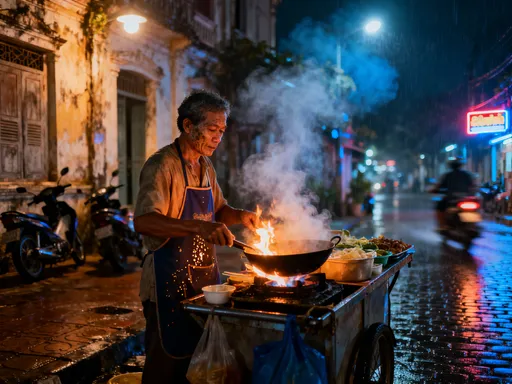
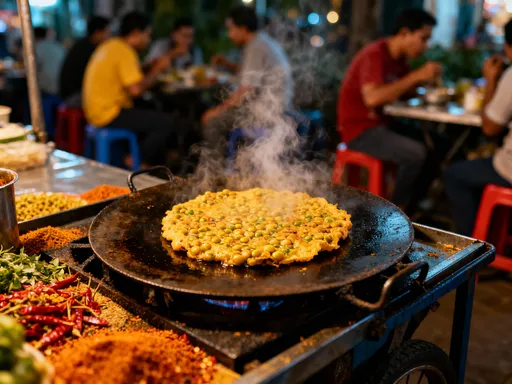
Street food can be a great way to sample flavors, but choose wisely. Look for vendors who cook to order, use clean utensils, and have a steady stream of local customers. Avoid anything that has been sitting out in the sun for hours, especially dairy-based or mayonnaise-heavy dishes. Stick to grilled items, freshly cracked coconuts, and boiled or fried snacks like camote cue or fish balls.
Hydration is crucial in the tropical heat. While coconut water is refreshing and natural, it’s best to drink it from a freshly cracked buko rather than a pre-packaged bottle. Tap water is not safe to drink, so always opt for sealed bottled water or boiled and filtered sources. Many local homes and restaurants use water filters, but it’s wise to confirm before accepting a glass.
Spice levels in Palawan are generally mild, but chili is always available on the side. If you’re sensitive to heat, ask for “mild” or “no chili” when ordering. Most cooks are happy to adjust. And if you’re trying something new—like fermented fish or bitter melon—approach it with an open mind. Even if it’s not your favorite, the effort to try it is appreciated as a sign of respect.
One thing to avoid is overpriced “exotic” menus in tourist-heavy areas. Some restaurants offer dishes like “wild boar” or “rare jungle meat” at inflated prices, often without clear sourcing. These are usually not authentic and may not even be what they claim. Stick to places where the menu is simple, the prices are reasonable, and the customers are mostly local.
Finally, consider bringing digestive aids like probiotics or antacids, especially if you’re not used to oily or coconut-based dishes. Palawan’s food is rich and flavorful, and your stomach may need a day or two to adjust. But with care and curiosity, every meal can be a joyful discovery.
Why Dining in Palawan Stays With You
Long after the tan fades and the souvenirs are unpacked, the flavors of Palawan remain. It’s not just the taste of grilled fish or the sweetness of ripe mango—it’s the laughter around a shared table, the kindness of a stranger offering you a spoonful of rice, the quiet moment of watching a fisherman grill his catch as the sun dips below the horizon. These are the memories that endure, carried not in photos but in the senses.
Dining in Palawan is never just about filling your stomach. It’s about connection—to the people, the culture, the land, and the sea. Every meal is an invitation to slow down, to savor, to be present. Whether you’re cracking open a crab with your hands, learning to make kinilaw from a local grandmother, or sipping coconut wine as the waves lap the shore, you’re not just eating. You’re becoming part of a story that has been unfolding for generations.
And when you return home, you’ll find yourself searching for that same taste, that same feeling. You might try to recreate inaasal na baboy in your backyard, or hunt for sea grapes in an Asian market. But you’ll know—some things can only be found where the sea is blue, the air is salty, and the food is made with heart.
Palawan’s true beauty isn’t just in its postcard-perfect landscapes. It’s in the way a simple meal can become a moment of joy, of belonging, of wonder. It’s in the taste of the island, remembered not just on the tongue, but in the soul.