This Road Trip to Milford Sound Blew My Mind – You Gotta Experience It
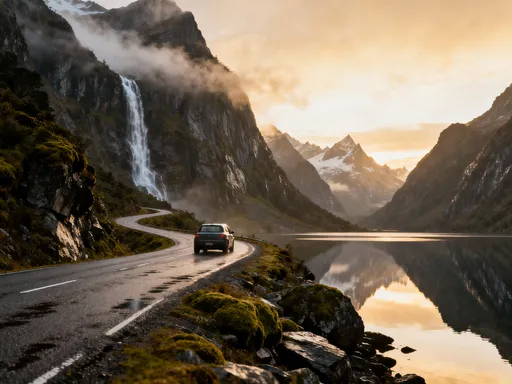
Driving to Milford Sound isn’t just a journey—it’s a front-row seat to nature’s greatest show. Towering cliffs, cascading waterfalls, and misty fjords appear around every bend. As I wound through the dramatic Southern Alps, I realized this public space belongs to everyone, yet feels like a personal sanctuary. The drive itself becomes part of the adventure, revealing some of New Zealand’s most jaw-dropping scenery. Rain-kissed valleys, mirror-still lakes, and mountain peaks piercing the clouds create a landscape so vivid it feels unreal. Yet it’s very real—and accessible. This is not a private reserve or a luxury escape. It’s a place where ordinary people can witness extraordinary beauty, simply by choosing to go.
Why Milford Sound Stands Out in New Zealand’s Wilderness
Milford Sound is more than a scenic destination—it is a geological masterpiece carved by glaciers over millions of years. Located within Fiordland National Park, one of the largest protected wilderness areas in New Zealand, it forms part of the Te Wāhipounamu UNESCO World Heritage site. This recognition underscores its global significance, not only for its dramatic landscapes but also for its biodiversity and ecological integrity. The fiord stretches about 15 kilometers inland from the Tasman Sea, flanked by sheer rock walls that rise over a kilometer high, cloaked in moss, ferns, and native rainforest.
What truly sets Milford Sound apart is its climate. The region receives an average of 6,000 millimeters of rainfall annually, one of the wettest places in the country. This abundant precipitation feeds hundreds of temporary waterfalls that spring to life after rain, streaking down the cliffs like silver threads. On a single visit, you might see fewer than ten or as many as a hundred, depending on recent weather. These ephemeral falls add a dynamic quality to the scenery—no two visits are ever the same. The interplay of light, mist, and water transforms the fiord into a living canvas.
Despite its remote location, Milford Sound remains remarkably accessible to the public. Unlike many natural wonders that require permits, expensive tours, or exclusive access, this corner of Fiordland welcomes all. There are no entry fees to the road or most viewing areas. The Department of Conservation (DOC) maintains the infrastructure, ensuring safe and sustainable visitation. This open access reinforces the idea that nature, in its grandest forms, should belong to everyone. Families, solo travelers, retirees, and adventurers alike can stand at the same lookout and feel equally moved. It is this blend of awe-inspiring scale and democratic access that makes Milford Sound a national treasure.
Choosing the Self-Driving Route: Freedom Meets Adventure
While guided tours to Milford Sound are widely available, many visitors find that self-driving offers a deeper, more personal experience. A guided coach may follow a fixed schedule, limiting time at key stops or skipping lesser-known lookouts altogether. In contrast, driving allows you to set your own pace, pause when the light hits the mountains just right, or linger at a quiet lake without feeling rushed. For those who value spontaneity and connection with the landscape, the open road becomes an essential part of the journey.
There are two primary routes to Milford Sound, each with its own character. The most common departure point is Te Anau, a small lakeside town about 120 kilometers away. This route follows State Highway 94, commonly known as the Milford Road, and typically takes around two and a half hours one way without stops. It is the most direct and efficient option, ideal for those planning a day trip or combining the drive with a midday cruise. Te Anau also offers a range of accommodations, making it a practical base for an early start.
The alternative route begins in Queenstown, approximately 270 kilometers from Milford Sound. Though significantly longer—requiring at least four and a half hours of driving one way—this path treats travelers to some of New Zealand’s most iconic alpine scenery. The journey passes through Glenorchy, skirts the shores of Lake Wakatipu, and winds through remote valleys before joining the Milford Road from the west. For those with extra time, this route enhances the sense of adventure, turning the entire day into a scenic expedition. Many travelers choose to break the journey with an overnight stay in Te Anau, allowing them to tackle the final stretch refreshed and unhurried.
Self-driving also enables flexibility in timing. Arriving early in the morning means avoiding tour buses and capturing the fiord in soft, golden light. Alternatively, some prefer a later arrival to coincide with afternoon cruises or clearer weather windows. With your own vehicle, you control the rhythm of the day. You can pull over at a DOC-maintained turnout, stretch your legs, and take in a panorama without worrying about missing a scheduled departure. This autonomy transforms the trip from a sightseeing checklist into a mindful exploration of place.
The Drive There: A Scenic Journey Like No Other
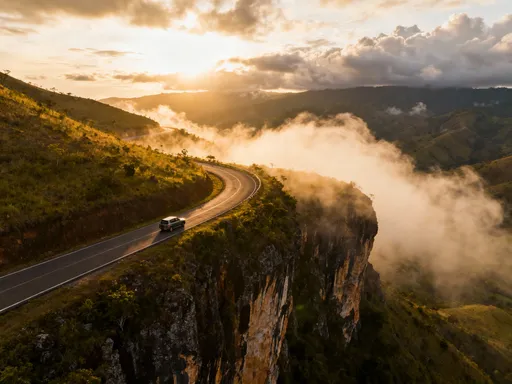
The 120-kilometer stretch from Te Anau to Milford Sound is often described as one of the most beautiful drives in the world—and for good reason. State Highway 94 is more than a road; it is a curated passage through an evolving landscape. Each kilometer reveals a new vista, from wide river valleys to narrow alpine passes. The journey begins gently, following the edge of Lake Te Anau, its glassy surface reflecting the surrounding hills. As you move deeper into Fiordland, the terrain becomes more dramatic, the mountains more imposing, and the silence more profound.
One of the first highlights is the Eglinton Valley, a broad glacial valley flanked by the Pembroke and Clinton ranges. In the morning light, mist often hovers above the grasslands, and red deer can sometimes be seen grazing in the distance. The valley’s openness provides a striking contrast to the enclosed spaces that follow. Shortly after, travelers reach the Mirror Lakes—small, still ponds that perfectly reflect the Earl Mountains on calm days. These lakes are accessible via a short, flat boardwalk, making them ideal for a quick stop, especially for families or those with limited mobility.
As the road climbs higher, it enters the domain of the Homer Tunnel—a 1.2-kilometer-long alpine tunnel blasted through solid rock. The approach to the tunnel is marked by waterfalls and warning signs about avalanche zones, a reminder of the road’s seasonal challenges. The tunnel itself is narrow, single-lane, and dimly lit, requiring patience and caution. On the far side, the road descends sharply into the Hollyford Valley, where the scale of the landscape intensifies. Sheer rock faces loom overhead, and waterfalls cascade from ledges hundreds of meters above.
Driving this route requires attention, especially in winter months. Between June and October, snow, ice, and avalanches can affect the road, and chains may be mandatory for vehicle tires. The Department of Conservation and Waka Kotahi (New Zealand Transport Agency) provide regular updates, and travelers are advised to check conditions before departure. In summer, the road is generally clear, but sudden weather changes are common. Rain can reduce visibility, and fog may settle in the valleys. These conditions, while challenging, also contribute to the region’s magic—few places on Earth shift so dramatically from one moment to the next. Preparedness is key: carrying warm clothing, extra food, and a full fuel tank ensures safety and peace of mind.
Public Spaces Along the Way: Where Nature Welcomes Everyone
One of the most remarkable aspects of the Milford Road is the abundance of public access points maintained for visitors. These spaces are thoughtfully designed to offer safe, inclusive, and low-impact ways to experience the landscape. From picnic areas to short walks and viewing platforms, they reflect a deep commitment to making nature accessible without compromising its integrity. All are managed by the Department of Conservation, which prioritizes sustainability, safety, and educational value.
Among the most popular stops is the Chasm Walk, a 10-minute loop trail that leads to a powerful waterfall and a deep rock gorge carved by the Cleddau River. The sound of rushing water fills the air, and the mist creates rainbows on sunny days. The path is well-graded, with handrails and informative signs explaining the geological forces at work. Another favorite is the Stirling Falls Viewpoint, which offers a distant but dramatic glimpse of one of Milford Sound’s most famous waterfalls. Though not as close as seeing it from a boat, the view from land provides context and scale.
Throughout the drive, picnic areas are strategically placed at scenic locations, such as the Lake Gunn Conservation Area. These sites feature wooden tables, waste bins, and interpretive panels about native flora and fauna. They invite travelers to slow down, share a meal, and absorb the surroundings. Because there are no food vendors along the road until Milford Sound itself, these spots are essential for self-sufficient travelers. Their maintenance reflects a broader philosophy: that public lands should serve the public, not profit.
Accessibility is a core principle. Most viewing areas are wheelchair-friendly or have alternative access options. Signage is clear and multilingual, and emergency phones are installed at key points. There are no entry fees, booking requirements, or restricted hours for the majority of these sites. This open-door policy ensures that a young family with children, an elderly couple on a retirement road trip, or a solo traveler on a budget can all enjoy the same wonders. In a world where many natural attractions are commercialized or privatized, Milford Sound’s public model stands as a refreshing alternative.
Arriving at Milford Sound: The Moment It All Comes Together
After hours of driving through mountain tunnels and alpine valleys, the first view of Milford Sound is nothing short of breathtaking. The road opens onto a small harbor framed by sheer cliffs, with Mitre Peak rising 1,692 meters straight from the water. Its symmetrical shape, resembling a bishop’s hat, has become an icon of New Zealand’s wild beauty. The air feels different here—cooler, cleaner, charged with a quiet energy. Boats bob gently in the bay, preparing for cruises, while seagulls call overhead and rain showers drift in and out like passing thoughts.
The visitor hub is modest, reflecting the remote location. A DOC visitor center provides maps, weather updates, and safety information. A small café serves hot drinks, sandwiches, and soups—welcome comforts after a long drive. Public restrooms, picnic tables, and covered shelters are available, all kept clean and functional. There are no large hotels, shopping centers, or entertainment complexes. The focus remains on the natural environment, not commercialization. This simplicity enhances the sense of arrival: you are not at a tourist destination, but at the edge of a vast, untamed wilderness.
Walking along the waterfront path, visitors often fall silent. The scale of the fiord is humbling. The water, dark and still, reflects the cliffs with mirror-like precision on calm days. Rain may begin without warning, drumming on umbrellas and jackets, yet few seem to mind. In fact, the rain adds to the atmosphere—feeding the waterfalls, scenting the air with wet earth, and deepening the green of the forest. Parents point out dolphins or penguins to children; photographers adjust their lenses; couples stand close, sharing the moment. Despite the number of people, the space feels intimate. Each person experiences the fiord in their own way, yet all are united by a sense of wonder.
Making the Most of Your Visit: Cruise, Kayak, or Just Breathe It In
Once at Milford Sound, visitors have several ways to engage with the environment. The most popular option is a scenic cruise, ranging from one-hour tours to full-day excursions. These boats navigate the fiord’s length, passing beneath Stirling Falls and Lady Alice Falls, where passengers can feel the mist on their faces. Some cruises include underwater viewing pods to glimpse black coral and marine life. While these tours provide excellent commentary and access to deeper parts of the fiord, they can be crowded, especially in peak season.
For a more immersive experience, sea kayaking offers a quieter alternative. Guided kayak tours operate seasonally, typically from late spring to early autumn, and allow small groups to paddle close to waterfalls, rock walls, and wildlife. The stillness of the water amplifies every sound—the dip of the paddle, the call of a takahe, the distant rumble of falling rock. These tours require a moderate level of fitness but reward participants with a rare sense of solitude and connection. They must be booked in advance and are weather-dependent.
Not everyone needs to board a boat to appreciate Milford Sound. Simply walking the shore path, sitting on a bench, or standing at the main viewpoint can be profoundly moving. The act of being present—watching light shift across the mountains, listening to rain on leaves, feeling the cool air—can be its own form of adventure. For families with young children or older travelers with mobility concerns, these low-effort options ensure inclusivity. The DOC encourages visitors to ‘take only photos, leave only footprints,’ reinforcing a culture of respect and stewardship.
To make the most of the visit, timing matters. Arriving early in the day helps avoid cruise-boat congestion and increases the chances of calm weather. Mid-morning to early afternoon often brings the clearest skies, though rain can return by late afternoon. Packing layers, waterproof gear, and snacks is essential—there are limited services on-site. Above all, flexibility is key. Weather in Fiordland is unpredictable, and plans may change. Yet it is often in these unplanned moments—waiting out a shower, watching a rainbow form over the water, sharing stories with fellow travelers—that the true spirit of the place reveals itself.
Why This Journey Stays With You—Beyond the Postcard Views
The impact of visiting Milford Sound often lingers long after the drive home. It is not just the image of Mitre Peak or the sound of waterfalls that stays with you, but the feeling of being small in a vast, ancient landscape. This sense of perspective—of one’s fleeting presence against enduring mountains and rivers—can be quietly transformative. Many visitors describe a shift in mood: a release of stress, a renewed appreciation for simplicity, or a deeper connection to the natural world.
Driving to Milford Sound amplifies this effect. Unlike arriving by plane or boat, the self-driven journey allows time for reflection. Kilometer by kilometer, the outside world fades. Mobile signals disappear. The rhythm of the road replaces the noise of daily life. This gradual disconnection creates space for mindfulness, for noticing details—a bird in flight, a patch of alpine flowers, the way light changes on wet rock. The journey becomes as meaningful as the destination.
Moreover, the experience reinforces the value of protected public lands. In an era of increasing privatization and environmental degradation, places like Milford Sound remind us that nature can and should be shared. They demonstrate that conservation and access are not mutually exclusive. With proper management, education, and visitor responsibility, these spaces can endure for generations. Every person who walks the Chasm Trail, who stands in awe at the harbor, who chooses to leave no trace, becomes part of that legacy.
If you have the chance, take the road to Milford Sound. Let the mountains fill your vision. Let the rain wash over you. Let the silence speak. It is more than a trip—it is a reminder of what the world can be when we protect it, share it, and simply show up to witness its beauty. And when you return, you may find, as so many do, that a part of you never really left.