You Won’t Believe How Alive Quebec City Feels After Dark
Walking through Quebec City’s cobblestone streets at dusk, I felt like I’d stepped into another century—yet everything was vibrantly alive. The blend of old-world charm and modern urban energy is unreal. Street performers echo laughter under golden lamplight, cafés buzz with conversation, and the St. Lawrence River glimmers in the distance. This isn’t just a historic site; it’s a living, breathing cityscape where every corner tells a story. If you think Quebec is just about museums and monuments, you’re missing the pulse of the place. The true magic of this UNESCO World Heritage site reveals itself not in daylight, but as shadows stretch and lanterns flicker to life. Here, history doesn’t sleep—it stirs, sings, and shares a glass of local cider with you on a quiet square.
Arrival in Old Quebec: First Impressions of a Living Heritage City
The moment you step into Old Quebec, the city wraps around you like a well-worn coat—familiar, comforting, yet full of surprises. The scent of freshly baked baguettes drifts from corner boulangeries, mingling with the crisp autumn air and the faint metallic tang of the nearby river. Horse-drawn calèches clip-clop across the uneven stone streets, their drivers exchanging warm greetings with passersby. Yet this is no staged tableau. Children race bicycles past 17th-century facades, joggers weave through tree-lined paths in Place D’Youville, and office workers unwind with takeout coffee on park benches. The city moves with the rhythm of daily life, not the forced pace of a tourist attraction.
What sets Old Quebec apart from other historic districts is its authenticity. Unlike heritage sites preserved behind velvet ropes, this city functions as a true urban neighborhood. Residents live in centuries-old stone homes, shop at local markets, and gather in neighborhood squares after dinner. The architecture tells a story, but so does the laundry hanging from wrought-iron balconies and the laughter spilling from open café windows. This balance between preservation and practicality creates a rare sense of continuity—where the past isn’t curated but lived.
The city’s layered history is visible in every detail. The fortifications, originally built by the French and later reinforced by the British, still encircle the upper and lower towns. Yet within these walls, modern life thrives. Public art installations blend seamlessly with historic markers, and digital wayfinding signs are discreetly integrated into stone plazas. The city respects its past without being imprisoned by it. This is not a reconstruction or a reenactment. It is a city that has grown gracefully over time, like a tree whose roots run deep but whose branches reach confidently into the present.
The Magic of Public Spaces: How Plazas and Parks Shape the Urban Experience
At the heart of Quebec City’s charm are its public spaces—intimate, inviting, and alive with activity. Place Royale, often called the birthplace of French America, is more than a historic landmark. On any given evening, families gather on its stone steps, musicians play accordions under the eaves of restored 17th-century buildings, and couples sip wine at sidewalk tables. The Basilica of Notre-Dame-des-Victoires stands as a quiet sentinel, its clock face glowing softly in the dusk. This square doesn’t just commemorate history—it hosts it, every day, in the form of shared moments and spontaneous interactions.
Just downhill, the Quartier Petit Champlain transforms after dark into a fairytale lane strung with twinkling lights. Recognized as one of the most picturesque streets in North America, it remains deeply functional. Locals duck into its boutiques for last-minute gifts, meet friends for dessert at cozy patisseries, or pause to admire the illuminated murals that tell the city’s story. The district’s steep, cobbled path is navigated daily by residents, not just wide-eyed tourists. Its charm lies not in its perfection, but in its usability—proof that beauty and practicality can coexist.
Parc de l’Artillerie offers a different kind of urban sanctuary. Once a military compound, it now serves as a green lung for the city. By day, children play among historic cannons turned garden ornaments; by night, the park’s pathways glow with soft lighting, inviting quiet walks and reflective pauses. Seasonal events bring additional life—open-air concerts in summer, artisan markets in autumn, and the world-famous Quebec Winter Carnival in January. These gatherings are not tourist spectacles alone; they are civic celebrations, attended by families who have lived here for generations.
The success of these spaces lies in their accessibility and inclusive design. Benches are plentiful, pathways are well-lit and slip-resistant, and public restrooms are maintained with care. There are no barriers—physical or social—between visitors and residents. This openness fosters a sense of shared ownership. Whether you’re a local grandmother feeding pigeons or a first-time traveler snapping photos, you belong. In an era when many cities prioritize commercial development over communal space, Quebec’s commitment to its plazas and parks feels quietly revolutionary.
Street Life as a Cultural Mirror: Observing Daily Rhythms
To understand Quebec City, walk its streets in the early morning. As the sun rises over the St. Lawrence, shopkeepers in Rue du Petit-Champlain roll up iron shutters, revealing displays of handcrafted jewelry, maple syrup preserves, and woolen sweaters. Artists arrange their easels near the funicular station, preparing to capture the day’s first light on canvas. A baker carries a tray of warm croissants across the street, the scent trailing behind him like a promise. These quiet rituals are not performed for an audience—they are the genuine pulse of the neighborhood.
The movement between Upper and Lower Town is central to the city’s rhythm. The funicular, a historic inclined elevator, carries commuters and visitors alike up the steep cliff face. Locals use it as part of their daily routine—teachers heading to schools in the upper city, nurses returning home after night shifts. Its reliability and charm make it more than transportation; it’s a symbol of connection between two worlds. At ground level, foot traffic flows steadily along Rue du Sault-au-Matelot, where stone walls drip with ivy and lanterns sway gently in the breeze.
Pedestrian-friendly design is the invisible hand guiding this harmony. Cars are restricted in the historic core, allowing sidewalks to breathe and conversations to linger. Crosswalks are frequent, signage is clear, and street furniture invites pause. This deliberate prioritization of people over vehicles creates a sense of safety and ease, especially for women and older adults who may feel vulnerable in busier urban environments. You can walk alone at dusk without tension, savoring the glow of antique streetlamps and the distant hum of a jazz trio warming up in a cellar bar.
These rhythms are not accidental. They are the result of decades of thoughtful urban planning that places human experience at the center. The city’s narrow streets slow movement, encouraging observation and interaction. Storefronts are required to maintain visual continuity with the historic character, yet they remain vibrant with contemporary goods and services. The result is a streetscape that feels both timeless and immediate—a place where tradition and innovation walk hand in hand.
Architecture That Talks: The Language of Urban Design
The buildings of Quebec City are not just structures—they are storytellers. Their steeply pitched roofs, timber framing, and stone foundations reflect centuries of French colonial influence, adapted to the harsh winters and rugged terrain of North America. The layout of the streets follows an organic, medieval pattern, with winding lanes that open unexpectedly into sunlit squares. Signage is predominantly in French, reinforcing the city’s cultural identity, yet translated discreetly for visitors. Every architectural choice communicates a sense of place, belonging, and continuity.
What’s remarkable is how preservation here does not mean stagnation. The city’s heritage regulations are strict, but they allow for sensitive modernization. A 300-year-old stone house may now house a boutique coffee shop, its interior updated with energy-efficient lighting and Wi-Fi, while its façade remains untouched. Historic buildings have been retrofitted with insulation and accessibility features, ensuring they remain functional for contemporary life. This approach avoids the trap of turning the city into a museum—instead, it remains a home.
The integration of modern amenities within historic shells is seamless. You can enjoy a flat white in a café built inside a former convent, or browse books in a shop housed in a 17th-century merchant’s home. These spaces retain their original charm—exposed beams, stone fireplaces, leaded glass windows—while serving modern needs. The city planners understand that preservation isn’t about freezing time, but about allowing history to evolve in harmony with the present.
This architectural dialogue extends to public infrastructure. Streetlights mimic 18th-century designs but use LED bulbs for efficiency. Storm drains are discreetly embedded in stone gutters. Even the trash receptacles are styled to match the historic aesthetic. These details might go unnoticed by most, but they contribute to the city’s cohesive feel. In Quebec, urban design isn’t an afterthought—it’s a continuous conversation between past and present, between form and function.
Café Culture and Culinary Corners: Where the City Breathes
If a city’s soul can be tasted, Quebec City’s is rich, warm, and slightly sweet—like a maple crème brûlée enjoyed on a frosty evening. The local cuisine is a reflection of its people: resilient, creative, and deeply connected to the land. Maple syrup isn’t just a condiment here; it’s a cultural emblem, drizzled over pancakes, stirred into coffee, and even used in craft beer. Poutine, the beloved dish of fries, cheese curds, and gravy, is elevated to an art form in neighborhood bistros, each with its own twist—duck confit, smoked salmon, or wild mushrooms.
The true culinary heartbeat, however, beats in the city’s cafés and markets. Le Lapin Sauté, a cozy bistro tucked into a stone alley, fills nightly with locals sharing stories over wine and game terrines. At the Marché du Vieux-Port, farmers from nearby villages sell artisanal cheeses, honey, and freshly baked bread. The market isn’t staged for tourists—it’s where residents do their weekly shopping, exchanging recipes and weather complaints with vendors they’ve known for years. This authenticity makes every meal feel like an invitation into community life.
Café terraces are social anchors, especially in the warmer months. Whether it’s a morning espresso at Café du Monde or an evening glass of cider at La Barberie, these outdoor spaces foster connection. Strangers nod to each other; regulars are greeted by name. The slow pace of café culture encourages lingering, listening, and being present. For many women, particularly those managing households or raising children, these moments of calm and conversation are invaluable—a small luxury in a busy day.
The city’s commitment to local ingredients and sustainable practices further deepens its appeal. Restaurants proudly list their suppliers—dairy from Charlevoix, apples from Montérégie, lamb from Île d’Orléans. This transparency builds trust and reinforces a sense of regional pride. Dining in Quebec City isn’t just about nourishment; it’s about participation in a living culture, one that values seasonality, craftsmanship, and connection.
Nightfall in the Stone City: When the Urban Energy Shifts
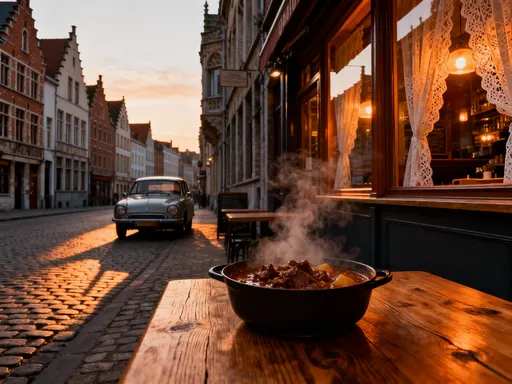
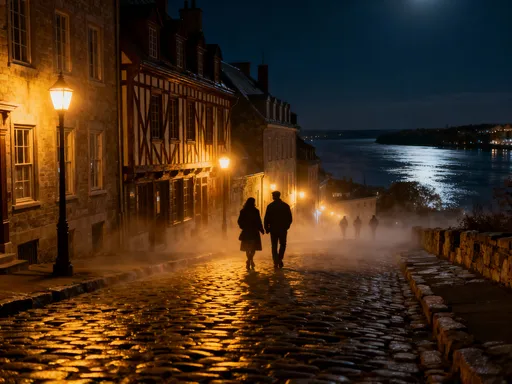
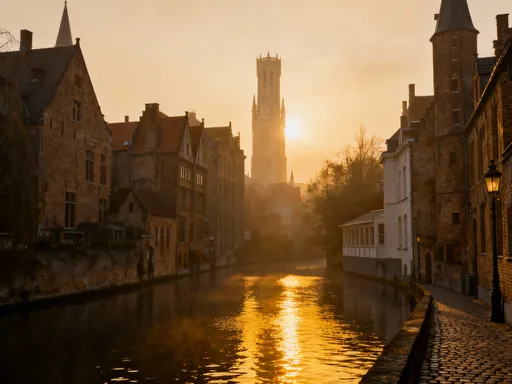
As night falls, Quebec City undergoes a subtle transformation. The daytime bustle softens into a gentle hum. The golden glow of streetlamps casts long shadows across the cobblestones, and the air grows still, carrying the faint melody of a violin from a hidden courtyard. The fortified walls, illuminated from below, rise like ancient sentinels against the night sky. This is when the city reveals its most intimate self—not louder, but deeper.
Night walks along the Promenade des Gouverneurs offer breathtaking views of the St. Lawrence River, its surface shimmering under the moonlight. The path, carved into the cliffside, is well-lit and safe, frequented by couples, solo strollers, and even joggers. The absence of heavy traffic enhances the sense of peace. You can hear your footsteps, your breath, the distant call of a ferry horn—sounds that ground you in the moment. For women traveling alone or seeking quiet reflection, this is a rare urban gift: safety paired with solitude.
The nightlife here is refined, not raucous. Bars and lounges favor live music over loud DJs—jazz trios, folk singers, classical quartets. Places like Le Cercle and L’Anti-Note attract a mature crowd who come for the ambiance as much as the drinks. Even on weekends, noise levels remain respectful, preserving the neighborhood’s residential character. This balance ensures that the city remains livable, not overwhelmed by tourism.
Seasonal lighting installations add enchantment without spectacle. In winter, the city glows with thousands of tiny white lights strung across streets and trees. The Carnival’s ice palace sparkles near Dufferin Terrace, drawing visitors without disrupting daily life. These touches enhance the magic without turning the city into a theme park. The energy at night is calm but present—a steady heartbeat, not a frantic pulse.
Why Quebec’s Urban Space Works: Lessons for Other Cities
Quebec City’s success lies in its human scale. Unlike sprawling metropolises designed for cars, this city was built for feet. Distances are walkable, views are intimate, and interactions are inevitable. You can’t help but notice the woman arranging flowers in a window box or the old man feeding sparrows on a bench. These small moments accumulate into a sense of belonging—a feeling that you are part of something real and enduring.
The city’s density supports vibrancy without crowding. Mixed-use zoning means homes, shops, and services coexist, ensuring activity throughout the day and evening. This prevents the hollowing out that plagues many historic districts, where shops close at 6 p.m. and streets turn ghostly. In Quebec, lights stay on, doors stay open, and life continues well into the night. This continuity is essential for both residents and visitors seeking authenticity.
Local policies play a crucial role. Strict heritage protection is balanced with support for small businesses and affordable housing. Tax incentives encourage property owners to maintain historic buildings while adapting them for modern use. Public transit connects the old city with surrounding neighborhoods, reducing car dependency. These measures are not flashy, but they are effective—creating a city that works for everyone, not just the wealthy or the transient.
Perhaps the most important lesson is emotional. Urban design shapes how we feel. In Quebec, the careful attention to detail—lighting, texture, sound, scent—creates a sense of care. You feel seen, welcomed, and safe. For women, especially those balancing family and personal time, this emotional resonance is powerful. It’s not just about what the city offers, but how it makes you feel: calm, inspired, connected. In a world of impersonal skyscrapers and cookie-cutter developments, Quebec reminds us that cities can still have soul.
Quebec City proves that heritage and heartbeat can coexist. It’s not a museum piece, but a thriving urban space where history isn’t displayed behind glass—it’s lived. From morning espresso runs to midnight strolls under centuries-old streetlamps, the city pulses with quiet pride. More than just beautiful, it feels real. In an age of generic cityscapes, Quebec reminds us that soulful urban life is still possible—where every stone, scent, and shadow belongs.