Lost in the Lanes of Antalya’s Beating Bazaar Heart
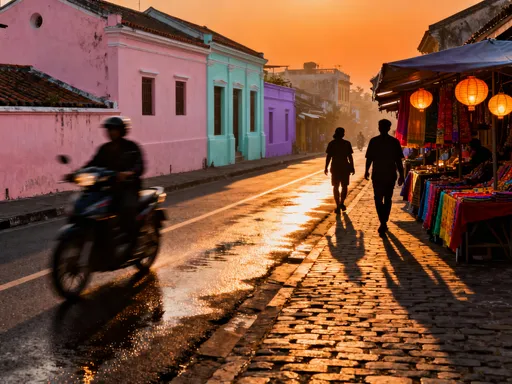
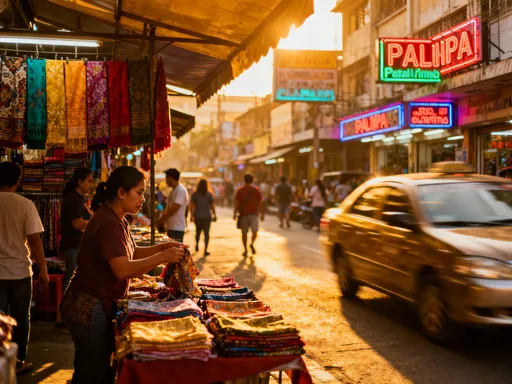
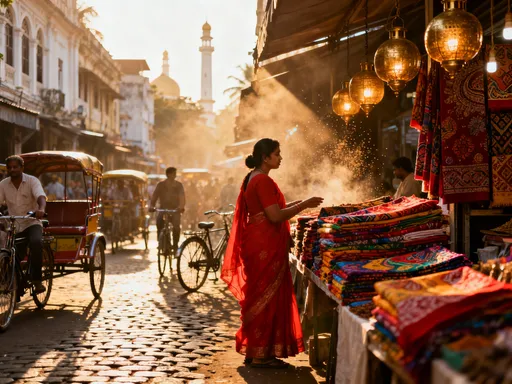
Wandering through Antalya isn’t just about sun-soaked beaches or ancient ruins—it’s the pulse of its commercial streets that truly captures the soul. I got lost in the maze of markets, spice-scented alleys, and hidden courtyards where shopkeepers laugh like old friends and every turn reveals something unexpected. This is commerce with character, where tradition meets daily life in the most vibrant way. The scent of cumin and sumac drifts through narrow lanes, mingling with the aroma of freshly baked pide bread. Children dart between stalls clutching rainbow-colored balloons, while elders sip tea under striped awnings. Here, shopping is not a transaction—it is a conversation, a rhythm, a living tradition passed from hand to hand. To walk these streets is to witness the enduring heartbeat of a city where every market lane tells a story.
The Rhythm of the Old Bazaar
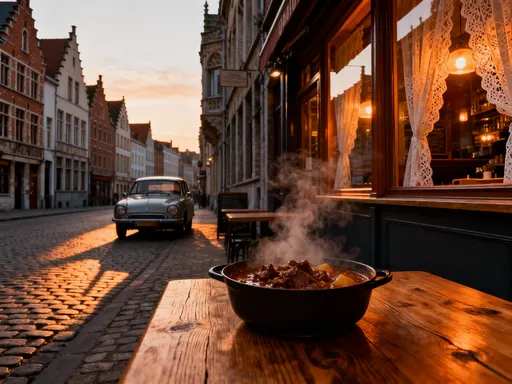
The historic core of Antalya’s commercial spirit beats strongest in Kaleiçi, the city’s well-preserved old quarter nestled between the turquoise Mediterranean and the rugged Taurus Mountains. Cobbled pathways twist and turn like threads in a handwoven tapestry, guiding visitors through a labyrinth where time seems to slow. Ottoman-era houses with shuttered windows and wooden balconies lean gently toward one another, as if sharing secrets across the alleyways. The air hums with the low murmur of barter—shopkeepers calling out greetings, tourists asking questions, and locals exchanging news over cups of strong tea. This is not a marketplace staged for tourists; it is a living, breathing ecosystem where daily life unfolds in full color and sound.
Walking through Kaleiçi feels less like visiting a destination and more like stepping into a centuries-old rhythm. The scent of leather draws you into dimly lit shops where artisans hand-stitch sandals using techniques unchanged for generations. Nearby, a vendor grills skewers of lamb over charcoal, the sizzle and smoke mingling with the warm breeze. Stalls overflow with hand-painted ceramics, copper trays, and intricately patterned kilims laid out on sunlit stones. Every few steps, a new sensory layer emerges—the tang of dried figs, the sweetness of baklava cooling on trays, the earthy musk of raw wool. These are not curated experiences but organic moments born from a culture deeply rooted in craftsmanship and community.
What makes Kaleiçi truly special is the seamless blend of tourism and local life. A grandmother in a floral headscarf stops to haggle over saffron prices while a group of travelers snaps photos nearby. A shopkeeper offers a child a piece of candied orange peel as thanks for returning a dropped coin. There is no division between performance and authenticity—because here, authenticity is simply daily life. The market does not perform for visitors; it welcomes them into its ongoing story. And when you allow yourself to wander without a map or agenda, you become part of that story, if only for a few hours.
From Spices to Silver: What the Stalls Reveal
The true essence of Antalya’s markets lies not just in their atmosphere but in the goods they offer—items that are both beautiful and deeply functional. Stalls brim with Turkish tea in woven baskets, olive oil soaps wrapped in floral paper, and copperware polished to a warm glow. These are not mere souvenirs but reflections of a regional way of life, where every object carries a history and a purpose. The hand-knotted kilims, for example, are more than decorative floor coverings—they are woven with symbolic patterns passed down through generations, each design telling a story of protection, fertility, or prosperity.
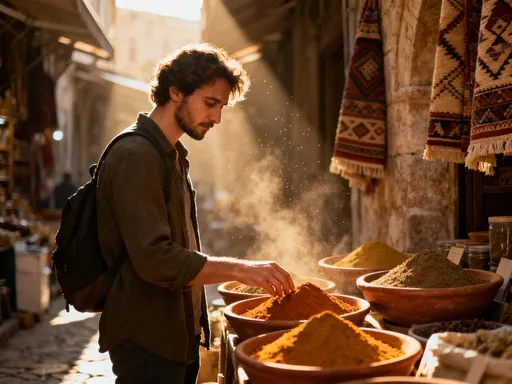
Spice vendors display pyramids of crimson paprika, golden turmeric, and deep green mint, their colors vibrant against wooden crates. These are not pre-packaged blends but raw, unprocessed ingredients used in everyday Turkish kitchens. Locals scoop them into cloth bags, knowing exactly how much sumac to add to their salads or which mix of herbs will bring depth to a slow-cooked stew. Observing these transactions offers a quiet lesson in culinary tradition. Even something as simple as purchasing a bag of dried oregano becomes an act of cultural exchange, a small connection to the rhythms of Turkish home life.
Artisans selling silver jewelry often work on-site, hammering delicate filigree or setting semi-precious stones under shaded canopies. Many of these craftsmen come from families with decades of experience in metalwork, their skills honed through apprenticeships rather than formal education. A pair of earrings might take two days to complete, shaped entirely by hand. When travelers buy such pieces, they are not only acquiring something unique but also supporting a tradition that resists mass production. The price reflects not just materials but time, skill, and heritage—something many vendors are happy to explain with pride.
Bargaining is a common practice, but it is not aggressive or transactional in the way some might expect. It is a dance of mutual respect, often beginning with a smile and ending with a shared laugh. A typical exchange might start with a stated price, followed by a polite counteroffer, and conclude with agreement somewhere in the middle. The process is less about winning and more about connection. Vendors rarely inflate prices excessively, especially when they sense genuine interest. And when a sale is made, it often comes with a small gift—a packet of Turkish delight, a postcard, or even an invitation to return for tea. These gestures remind visitors that commerce here is still, at its heart, relational.
The Coffee Break That Changed the Journey
Amid the constant motion of the bazaar, one of the most profound moments came not from shopping but from stopping. Tucked behind a row of spice stalls, I found a small café barely wide enough to fit four tables. Its walls were painted a faded turquoise, and strings of dried peppers hung from the ceiling like ornaments. An elderly man in a wool vest stirred a copper cezve over a low flame, his movements slow and deliberate. This was not a place designed for tourists—it had no menu board, no English signage, no Wi-Fi password scribbled on the wall. It was simply a place where people came to drink coffee and talk.
I gestured to the cezve, and the man nodded, measuring finely ground coffee, cold water, and a pinch of sugar into the pot. The brew simmered just below boiling, forming a rich foam before he poured it into a small handleless cup. As I sipped, the flavor was intense—earthy, slightly bitter, with a lingering sweetness. But more than the taste, it was the ritual that stayed with me. Time slowed. The noise of the market faded into a distant hum. The man sat across from me, not speaking, simply present. After a few minutes, he pointed to the grounds at the bottom of my cup and smiled. “Fortune,” he said in broken English. He didn’t read my future, but the gesture felt like a gift—an invitation to see the moment as something meaningful.
That coffee break became a turning point in my journey. It reminded me that the value of a place is not measured in purchases made but in pauses taken. Commercial spaces like Antalya’s bazaars are not just about buying and selling—they are social hubs, places where relationships form, stories are shared, and culture breathes. A cup of coffee here is more than a drink; it is a bridge between strangers, a moment of stillness in a world of motion. And in that stillness, I began to understand the deeper rhythm of the city—not in its landmarks, but in its quiet corners, where people take the time to be together.
Modern Markets Meet Coastal Vibes
While Kaleiçi pulses with history, Antalya’s commercial life also thrives in its modern spaces. Malls like MarkAntalya and TerraCity offer a different kind of experience—one of air-conditioned comfort, international brands, and spacious walkways lined with cafes and children’s play areas. These centers are not replacements for the old bazaar but complements, reflecting the city’s ability to embrace both tradition and modernity. On any given afternoon, families stroll through their polished halls, browsing clothing boutiques, electronics stores, and dessert parlors serving rose-flavored ice cream.
What stands out is how these malls cater equally to locals and tourists. A woman in a headscarf shops for school supplies alongside a couple from Germany picking up souvenirs. Teenagers gather near the food court, laughing over burgers and fries, while elders sip fruit juice at outdoor tables. The architecture is contemporary, often with glass facades and open courtyards that let in natural light, yet subtle nods to Turkish design—such as geometric tile patterns or arched entryways—keep the spaces rooted in place. Even the music played over the speakers blends modern pop with traditional melodies, creating a soundscape that feels both familiar and fresh.
Along the seaside promenade, boutique-lined streets like Cumhuriyet Caddesi offer another hybrid model. Here, small shops sell everything from linen clothing to handmade ceramics, often designed with a modern twist on classic motifs. Window displays are minimalist yet inviting, and many stores feature bilingual signage. These areas are popular with both residents and visitors, offering a shopping experience that is relaxed and accessible. Unlike the intensity of the old bazaar, these zones invite leisurely browsing, with plenty of benches and shaded cafés nearby. Yet they still carry a sense of local identity—products are often made in Turkey, and many shop owners take pride in explaining their sourcing and craftsmanship.
Together, these modern spaces show that Antalya’s commercial culture is not frozen in time. It evolves without losing its soul. The same values of hospitality, quality, and personal connection that define the old bazaar can be found in the smile of a mall store clerk or the handwritten thank-you note tucked into a boutique purchase. Commerce in Antalya is not divided between old and new—it is a continuum, where each form serves different needs while honoring the same cultural foundations.
Why Getting Lost Is the Best Plan
One of the most liberating realizations during my time in Antalya was that the best experiences came not from following maps or itineraries, but from surrendering to the flow of the streets. I turned down alleys with no names, followed the scent of grilling fish around corners, and paused at doorways that opened into quiet courtyards with fig trees and bubbling fountains. These unplanned detours led to some of my most cherished memories—a conversation with a carpet seller who showed me how dyes are made from pomegranate peels, a shared laugh with a vendor after I accidentally knocked over a stack of copper bowls, a spontaneous invitation to taste fresh pomegranate juice from a roadside stand.
Getting lost in Antalya’s markets is not a risk—it is a reward. The city’s layout, especially in Kaleiçi, resists straight lines and logical grids. Paths split, circle back, and disappear into private homes. GPS signals flicker and fade. But in that disorientation lies discovery. Without a fixed destination, the senses sharpen. You notice details you might otherwise miss—the way light filters through a stained-glass lantern, the sound of a flute playing from an upstairs window, the texture of a hand-carved door. You begin to read the city not as a list of attractions but as a living narrative, written in scents, sounds, and human gestures.
There is a quiet wisdom in letting go of control. When you stop trying to see everything, you start seeing what matters. A child drawing with chalk on the pavement. An old man feeding pigeons with crumbs from his pocket. A woman arranging marigolds in a brass vase outside her shop. These are the moments that stay with you, not because they were planned, but because they were real. And in a world where travel is often reduced to checklists and photo ops, Antalya reminds us that the deepest connections come from presence, not planning.
Practical Magic: Navigating Markets with Ease
While spontaneity is key, a few simple practices can make wandering through Antalya’s markets more enjoyable and respectful. Comfortable footwear is essential—cobblestones are charming but unforgiving, especially after hours of walking. Lightweight, breathable clothing helps manage the Mediterranean heat, and a small crossbody bag keeps your hands free while safeguarding your belongings. Carrying small bills in Turkish lira is practical, as many small vendors do not accept cards, and exact change is appreciated.
Visiting the markets early in the morning offers a quieter, more intimate experience. Stalls are just opening, the air is cool, and vendors are often more relaxed and willing to chat. By midday, the lanes fill with tour groups and the pace quickens. If you prefer a more leisurely exploration, late afternoon offers softer light and a gentler rhythm as the heat begins to fade. Weekdays tend to be less crowded than weekends, especially during peak tourist season.
When shopping, look for signs of quality. Handmade kilims, for example, often have slightly irregular patterns—a sign they were woven by hand rather than machine. Olive oil soaps should feel firm and carry a clean, natural scent. Copperware that rings when tapped is usually pure, while a dull thud may indicate lower quality. These details are not always obvious, but many artisans are happy to explain their craft if asked. A simple “How is this made?” can lead to a meaningful conversation and a deeper appreciation of what you’re buying.
Learning a few basic Turkish phrases goes a long way. “Merhaba” (hello), “teşekkür ederim” (thank you), and “kaç lira?” (how much?) open doors more than any guidebook. Even mispronunciations are usually met with smiles. Vendors appreciate the effort, and small exchanges in their language build instant rapport. A shared laugh over a fumbled word can be the start of a genuine connection. These moments—brief, unscripted, human—are what transform a shopping trip into a cultural encounter.
The Soul Behind the Sale
At the heart of Antalya’s markets is something deeper than commerce—it is continuity. These stalls are not pop-up shops or seasonal ventures. They are family-run businesses, often passed down through generations, where a grandfather’s knowledge is shared with a grandson still learning the trade. The man selling copper trays may have learned from his father, who learned from his. The woman weaving kilims may use patterns taught by her mother, unchanged for decades. This is not heritage preserved behind glass—it is heritage lived, worked, and worn.
To shop here is to participate in that continuity. Every purchase, no matter how small, supports a way of life that values patience, skill, and human connection. It is a form of cultural preservation, quiet but powerful. And for the traveler, it offers a rare opportunity—to move beyond observation and become part of a living tradition. You are not just buying a rug or a cup of coffee; you are acknowledging the hands that made it, the years it took to master the craft, the pride behind the smile.
Antalya’s markets do not demand attention—they invite it. They ask only that you slow down, look closely, and listen. In their winding lanes, you find not just goods, but stories. Not just prices, but people. The city’s soul is not in its monuments, but in its marketplaces, where life unfolds in real time, unfiltered and unscripted. So the next time you visit, let go of the map. Step into the maze. Get lost. And let the streets, with their scents and sounds and sudden kindnesses, tell you the story of a place that remembers how to live.