Chasing Light and Legends: My Yellowstone Photo Quest
You know that heart-racing moment when the sun hits just right and nature explodes in color? That’s Yellowstone for you—raw, wild, and endlessly photogenic. I went chasing golden light, steam rising from geysers, and bison silhouettes against open skies. But beyond the views, it was the little things—the park’s unique photo-friendly tools, ranger tips, and hidden vantage points—that transformed my shots. If you’ve ever wanted to capture more than just a snapshot, this journey’s for you. With over 2.2 million acres of protected wilderness, Yellowstone isn’t just America’s first national park—it’s a living canvas shaped by fire, ice, and time. From the first puff of Old Faithful to the mirrored surface of Yellowstone Lake at dawn, every corner invites stillness and attention. This is not a place for hurried clicks. It’s where light dances on thermal mist, where elk bugle in the hush of early morning, and where the rhythm of nature becomes your own. Here’s how I learned to slow down, look deeper, and return with images that tell a real story.
Why Yellowstone is a Photographer’s Playground
Yellowstone’s unmatched diversity makes it a dream destination for photographers of all levels. Within a single day, you can move from the steaming, mineral-rich pools of the Grand Prismatic Spring to the icy clarity of the Yellowstone River cutting through basalt cliffs. The park spans three states—Wyoming, Montana, and Idaho—and sits atop a supervolcano, a fact that shapes its dramatic geothermal activity. Geysers erupt, hot springs bubble, and fumaroles hiss, all under skies that shift from soft dawn pinks to storm-laden grays in minutes. These contrasts create endless opportunities for compelling images. Whether you're drawn to macro shots of frost-covered moss near a thermal vent or wide-angle panoramas of Lamar Valley blanketed in snow, the landscape delivers.
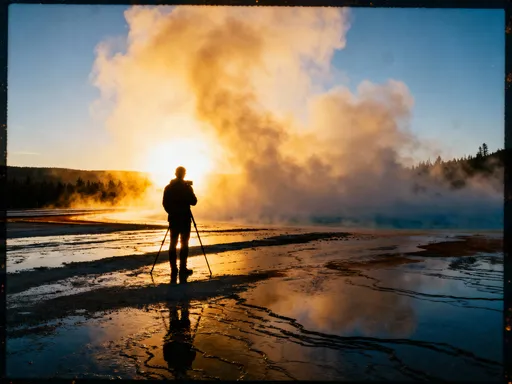
What sets Yellowstone apart is not just its scenery, but the dynamic interplay of light, weather, and wildlife. The golden hours—shortly after sunrise and before sunset—are when the park truly comes alive in the viewfinder. During these times, low-angle sunlight bathes the meadows in warm amber, elongates animal silhouettes, and enhances the iridescent hues of thermal features. In autumn, the aspens turn gold, creating a vivid contrast against dark pines and the steaming ground. In winter, the steam from geysers rises dramatically against snow-covered landscapes, offering a surreal, almost otherworldly quality to photos. These moments don’t last long, and they demand planning and patience.
Yet, gear is secondary to timing and awareness. A simple point-and-shoot camera can capture stunning images if you’re in the right place at the right time. What matters most is understanding the park’s rhythms. For example, bison are most active in the early morning and late evening, making these the ideal times for wildlife photography. Similarly, geysers like Old Faithful erupt on predictable schedules, allowing photographers to set up well in advance. The park’s official website provides eruption forecasts, which are invaluable for planning. But beyond schedules, it’s the quiet observation—watching how light moves across a canyon wall or how a herd moves across a ridge—that turns a good photo into a meaningful one.
Equally important is respecting the natural pace of the environment. Rushing from one overlook to the next rarely yields authentic images. Instead, choosing one or two locations per day and staying longer allows for deeper connection and better shots. A single spot can offer multiple compositions as the light shifts and animals pass through. This approach not only improves photographic results but also fosters a sense of presence, which is at the heart of great photography. Yellowstone rewards those who wait, who watch, and who listen.
The Gear That Actually Made a Difference
When I first planned my trip, I thought I needed the latest mirrorless camera and a bag full of lenses. What I learned is that reliability and practicality matter far more than specs. My setup was modest: a weather-sealed DSLR, a 24-70mm zoom lens for landscapes and environmental portraits, and a 100-400mm telephoto for wildlife. I brought a sturdy tripod, which proved essential for low-light shots at dawn and for long exposures over thermal pools. A polarizing filter dramatically enhanced the colors of the Grand Prismatic Spring, cutting glare and deepening the blues and reds of the microbial mats. These tools were not glamorous, but they were dependable in extreme conditions.
Yellowstone’s environment is tough on equipment. Morning fog, afternoon rain, and sudden temperature swings mean cameras and lenses must be protected. I used a weather-resistant camera bag with padded dividers and kept silica gel packs inside to reduce moisture. I also carried a microfiber cloth at all times to wipe off condensation, which forms quickly when moving from cold to warm zones near geothermal areas. Lens hoods helped prevent flare during backlit scenes, especially during sunrise when the sun rises behind ridges and silhouettes animals in the valleys.
For those who don’t want to carry heavy gear, rental options are available in gateway towns like West Yellowstone, Montana, and Gardiner, Wyoming. Several outdoor outfitters offer camera and tripod rentals, and some even provide photography kits tailored for park visitors. These services are especially helpful for families or casual photographers who want quality images without the burden of transporting expensive equipment. Even with rentals, I recommend practicing with your gear before arrival. Knowing how to adjust ISO, aperture, and shutter speed quickly allows you to adapt to changing light without missing a moment.
One often-overlooked item is a headlamp with a red-light setting. Early morning hikes to remote viewpoints are common, and a red light preserves night vision while allowing you to adjust camera settings in the dark. I also used a notebook to jot down exposure settings that worked well in different conditions—a simple habit that saved time later. While technology helps, the most important tool is familiarity. The more comfortable you are with your camera, the more you can focus on composition, light, and the scene in front of you.
Hidden Spots Only Locals and Rangers Know
Most visitors stick to the main roads and popular overlooks, which means iconic sites like Artist Point and Morning Glory Pool can be crowded. But with a little curiosity and conversation, you can discover quieter, equally stunning locations. One of my most memorable mornings began at Storm Point on Yellowstone Lake. Few people venture there before sunrise, but the payoff is extraordinary. As the sun rose, the lake reflected the sky in perfect symmetry, and a lone osprey circled above. The boardwalk is short and accessible, yet it feels remote. Another favorite was the loop near Fairy Falls, where the trail splits just before the waterfall. Taking the less-traveled path to the right leads to a secluded view of the falls framed by lodgepole pines.
These discoveries often came from talking to park rangers. At visitor centers, I made it a habit to ask, “Where’s a good place to see wildlife without the crowds?” or “Are there any new trail openings or quiet spots for photography?” Rangers are deeply knowledgeable and eager to help visitors have meaningful experiences. One ranger pointed me to a pullout along the Firehole River where, at dawn, I captured a bull elk standing in the mist, his antlers catching the first light. Another recommended the north end of Lamar Valley, where the road is less traveled and bison often graze near the riverbank.
It’s important to note that while exploration is encouraged, safety and preservation come first. Certain areas are closed seasonally to protect wildlife, especially during calving or denning periods. Boardwalks around thermal features are not suggestions—they are mandatory. Venturing off-trail in these zones risks injury from boiling water and damage to fragile ecosystems. I always checked with rangers about current trail conditions and closures before heading out. Respecting these rules isn’t just about compliance; it’s about honoring the park’s integrity and ensuring these places remain pristine for future generations.
Another tip: arrive early. Most photographers reach popular spots 30 to 45 minutes before sunrise. By arriving an hour early, you can scout compositions, set up your tripod, and be ready when the light breaks. I found that even well-known locations like Mammoth Hot Springs offer fresh perspectives when visited at different times. Late afternoon light casts long shadows on the travertine terraces, revealing textures and patterns invisible at midday. The key is patience and flexibility—being willing to return to the same place under different conditions.
How the Park’s Specialty Products Upgraded My Experience
Yellowstone offers more than scenery—it provides tools designed to enhance your visit, especially if you’re focused on photography. The official park map is more than a guide; it includes sunrise and sunset times for different regions, helping photographers plan their days with precision. I used this to coordinate my schedule, ensuring I was at optimal locations during golden hour. The map also marks wildlife zones, thermal basins, and trail difficulty levels, making it easy to prioritize destinations based on your goals and physical ability.
One of the most valuable resources I discovered was the Yellowstone Forever Institute, the park’s official nonprofit partner. They offer seasonal photography workshops led by professional nature photographers. These are not high-pressure courses but immersive experiences that focus on observation, composition, and ethical practices. I joined a two-day session that included early morning fieldwork, classroom reviews, and discussions on storytelling through images. The instructors emphasized slowing down, using the rule of thirds, and capturing context—like footprints in the snow or a bird’s nest in a burned tree—as much as the main subject.
Visitor centers also play a crucial role. At the Old Faithful Visitor Education Center, digital displays show real-time geyser eruption predictions, including estimated times for major events. This allowed me to time my shots perfectly, setting up my tripod minutes before an eruption. The displays also explain the science behind geothermal activity, which deepened my appreciation and informed my captions later. Similarly, the Lamar Valley exhibit includes wildlife migration maps and seasonal behavior charts, helping photographers anticipate animal movements.
The official Yellowstone National Park app is another indispensable tool. It provides offline maps, current road conditions, weather alerts, and even audio tours. I used it to track my location while hiking and to check for sudden trail closures. The app also includes a photo journal feature, allowing me to tag images with location, time, and notes—a practice that proved invaluable during post-processing. By reviewing my notes, I could remember the story behind each shot: the chill in the air, the sound of a distant howl, the way the light shifted in just five minutes. These details brought depth to my final collection.
Wildlife Photography: Rules, Ethics, and Real Talk
Photographing wildlife in Yellowstone is one of its greatest draws, but it comes with serious responsibilities. The park’s guidelines are clear: maintain at least 25 yards (23 meters) from most animals and 100 yards (91 meters) from bears and wolves. These distances aren’t arbitrary—they protect both visitors and animals. I learned this the hard way when I saw a group of tourists inching toward a grazing bison, phones extended. A ranger quickly intervened, reminding them that bison can charge at speeds up to 35 miles per hour. No photo is worth that risk.
Using a telephoto lens is not just about getting a closer shot—it’s about respecting space. With a 400mm lens, I was able to capture intimate details of a red fox near Mammoth without disturbing it. The animal went about its morning routine—sniffing the ground, pausing to listen, then disappearing into the trees—unaware of my presence. That sense of natural behavior is what makes a photo authentic. In contrast, animals that notice photographers often alter their actions, leading to staged or stressed-looking images.
Baiting, feeding, or calling animals is strictly prohibited. I witnessed a man trying to lure a bird with crumbs, which not only broke park rules but also risked habituating wildlife to humans—a dangerous precedent. Similarly, using drones is illegal in national parks. While the temptation to capture aerial views is strong, drones disturb animals and disrupt the peace for other visitors. The park’s no-drone policy is strictly enforced, and violations can result in fines.
One of my most powerful moments was photographing a bull elk in Lamar Valley at first light. He stood silhouetted against a frost-covered meadow, steam rising from his nostrils. I used a low aperture to blur the background and highlight his form. But more than the image, I remember the silence, the cold air, and the sense of witnessing something wild and untamed. That experience reminded me that photography in Yellowstone isn’t about collecting images—it’s about bearing witness. The best wildlife photos are those taken with humility, patience, and deep respect for the natural world.
Seasonal Secrets: When to Go for the Best Shots
Each season in Yellowstone offers a distinct photographic palette. Summer draws the largest crowds, with roads fully open and wildlife active. However, midday light can be harsh, and popular spots are often packed. For more solitude and softer light, I recommend visiting during the shoulder seasons—late September to early October and April to early May. Fall brings golden aspens, cooler temperatures, and fewer visitors. The air is crisp, and animals are more visible as they prepare for winter. I captured some of my favorite bison images during this time, with their thick coats glowing in the low sun.
Winter is a photographer’s dream for those prepared for the cold. From mid-December to March, most roads are closed to private vehicles, but guided snowmobile and snowcoach tours provide access to Old Faithful, Mammoth, and other key areas. The contrast of steaming geysers against snow-covered landscapes creates dramatic, almost surreal images. Wildlife tracks in fresh snow add narrative elements to photos. However, winter travel requires planning. Temperatures can drop below -20°F (-29°C), so layered clothing, hand warmers, and battery backups are essential. Camera batteries drain quickly in the cold, so I kept spares in an inner pocket to maintain charge.
Spring is less predictable but rich with renewal. Roads open gradually, and some areas remain snow-covered into June. But this is when newborn bison calves appear, often staying close to their mothers in sheltered valleys. The Lamar and Hayden valleys are prime spots for calf sightings. Spring light is soft and diffused, ideal for portraits and landscape shots. However, weather can change rapidly, so flexibility is key. I always checked the park’s road status page daily and had backup locations ready in case of closures.
Lodging options vary by season. In summer, reservations at park lodges like Old Faithful Inn and Lake Yellowstone Hotel should be made a year in advance. In winter, only Mammoth Hot Springs Hotel remains open year-round, making it a central hub for photographers. Staying just outside the park in gateway towns offers more flexibility, though it means longer drives to shooting locations. Regardless of when you go, booking early ensures you can focus on photography rather than logistics.
Bringing It Home: Turning Moments into Meaningful Images
After returning from Yellowstone, I faced a familiar challenge: sorting through thousands of images. The first step was culling—removing duplicates, blurry shots, and those where the composition didn’t work. I kept only the images that evoked a feeling or told a story. One photo of a bison walking through morning mist stayed not because it was technically perfect, but because it reminded me of the silence and stillness I felt at that moment. Another of a rainbow over the Grand Prismatic captured the exact second the sun broke through clouds after a brief shower. These images were more than visual records—they were emotional anchors.
To deepen the meaning, I began journaling during my hikes. I carried a small notebook and wrote down what I saw, heard, and felt. Later, I paired these notes with my photos, creating a richer narrative. This practice transformed my collection from a gallery of pretty pictures into a personal story of discovery. I shared some of these with my family, who had never been to Yellowstone, and their reactions—surprise, wonder, even tears—confirmed the power of authentic storytelling.
Ultimately, Yellowstone taught me that great photography isn’t about gear, locations, or even technical skill. It’s about presence. It’s about standing still long enough to see the details—the way a spiderweb glistens with dew, how a herd moves like a single organism, or how light changes the color of a hot spring in minutes. It’s about patience, respect, and the quiet joy of witnessing something wild and unchanged. These are the lessons I carry forward, not just in photography, but in life. And as I look at my favorite images, I don’t just see what I captured—I see who I became in the process.