You Gotta Taste This: Mandalay’s Food Scene Blew My Mind
If you think Myanmar is just temples and tea, think again—Mandalay’s food is a whole vibe. I went in expecting noodles and rice, but left obsessed with bold flavors, street-side grills, and dishes I’d never heard of. From smoky lentil fritters to tangy mohinga, every bite felt like a secret locals let me in on. This isn’t just eating—it’s a journey through culture, history, and serious culinary soul.
Why Mandalay’s Food Tells a Cultural Story
Mandalay, Myanmar’s second-largest city, stands as a culinary crossroads shaped by centuries of trade, migration, and tradition. Nestled along the Irrawaddy River and crowned by the royal palace, the city has long served as a cultural and commercial hub. Its food reflects this rich blend: Burmese staples merge with Shan mountain influences, Chinese cooking techniques, and Indian spices, creating a cuisine that is both diverse and deeply rooted. The flavors found in Mandalay are not accidental—they are the result of generations of exchange, where traders from Yunnan, merchants from Bengal, and farmers from the Shan Plateau all left their mark on the local palate.
Historically, Mandalay was the last royal capital of the Burmese monarchy, and its courtly traditions helped refine dishes that are now everyday staples. Royal cooks once blended delicate textures and layered spices for the palace table, and many of those recipes trickled down into home kitchens and street food stalls. At the same time, the city’s location made it a stopover for caravans and riverboats, bringing in ingredients like dried shrimp, tamarind, and turmeric, which now form the backbone of Burmese flavor profiles. These ingredients aren’t just used for taste—they carry medicinal value in traditional practices and are believed to support digestion and vitality, especially in the country’s warm climate.
What makes Mandalay’s food scene especially authentic is its reliance on family-run stalls and open-air markets. Unlike heavily commercialized tourist destinations, much of the city’s culinary life unfolds in unmarked alleys, roadside tables, and early-morning bazaars. Here, grandmothers stir pots of noodle soup before sunrise, and young cooks grill skewers over charcoal fires with practiced ease. These vendors aren’t performing for visitors—they’re feeding their neighbors, preserving recipes passed down through generations. The absence of flashy signage or digital menus only adds to the authenticity. To eat in Mandalay is to participate in a living food culture, one that values flavor, memory, and community over presentation or trendiness.
Must-Try Dishes That Define Mandalay
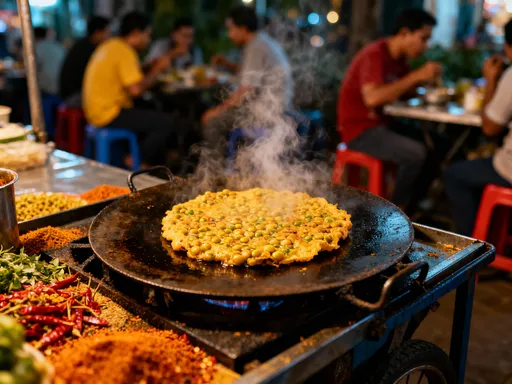
To truly understand Mandalay’s food, one must start with mont lin maya—a sizzling, golden-brown lentil pancake that crackles as it hits the hot plate. Served fresh from the griddle, often topped with a sprinkle of chopped scallions and chili, this street snack is a symphony of textures: crisp on the outside, soft and earthy within. The batter, made from ground yellow lentils, rice flour, and turmeric, is poured onto a flat iron grill and cooked until the edges curl and brown. What sets Mandalay’s version apart is the smoky depth achieved by cooking over charcoal, a method still used by veteran vendors near the moat of the royal palace. Locals often eat it with a side of tangy tamarind chutney or a spoonful of fermented tea leaf salad, creating a balance of sour, spicy, and savory that awakens the senses.
Another cornerstone of Mandalay’s cuisine is Shan noodles—a dish that showcases the influence of the ethnic Shan people from eastern Myanmar. These flat rice noodles are served in a light, savory broth made from chicken or pork, often enriched with a spoonful of tomato and garlic oil. What makes the Mandalay version unique is the optional addition of fermented tea leaves, a regional twist that adds a deep, umami funk rarely found in other parts of the country. Topped with crushed peanuts, pickled mustard greens, and a dash of chili, each bowl is a customizable experience. Some stalls even offer a dry version, where the noodles are tossed in sauce and served at room temperature, perfect for the city’s hot afternoons. It’s the kind of meal that feels both comforting and adventurous, familiar yet full of surprises.
Perhaps the most underrated yet essential element of Mandalay’s food culture is ngapi yay—a pungent, fermented fish dip that plays a role similar to soy sauce or fish sauce in other Asian cuisines. Made from salted and fermented fish paste, it is often mixed with garlic, chili, and lime to create a bold condiment served alongside rice, vegetables, and grilled meats. While its aroma can be intense to first-time eaters, its flavor is complex: salty, sour, and deeply savory. In Mandalay, many families prepare their own version at home, guarding their recipes as closely as heirloom jewelry. It’s not uncommon to see a small bowl of ngapi yay on every dining table, a quiet testament to its central place in daily meals. For travelers, trying it is a rite of passage—a way to move beyond the safe and sweet into the heart of Burmese flavor.
Street Food Hotspots: Where the Locals Eat
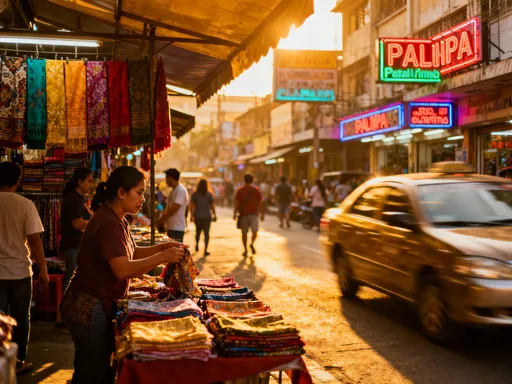
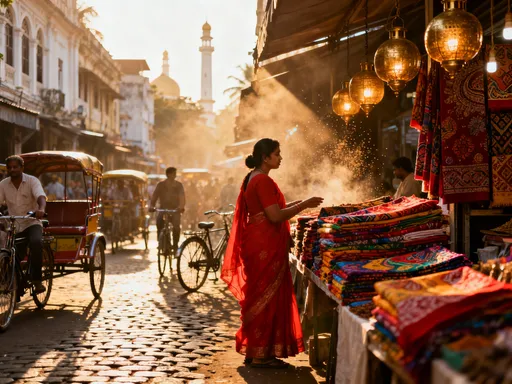
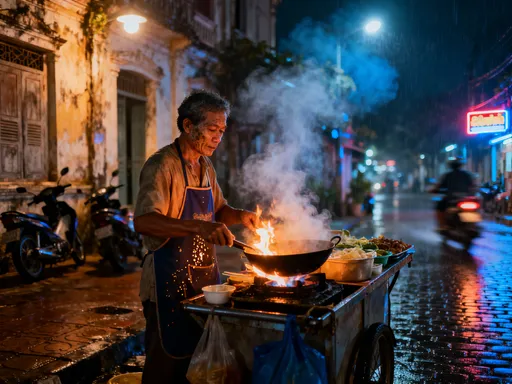
No visit to Mandalay is complete without a night at Zegyo Market, the city’s most vibrant food bazaar. As the sun sets and the heat begins to fade, the market transforms. What was a bustling daytime marketplace for textiles and household goods becomes a maze of glowing food carts, sizzling grills, and clusters of plastic stools. The air fills with the scent of roasting chilies, caramelizing onions, and charred seafood. This is where locals come to unwind, share stories, and refuel after a long day. The energy is electric, yet there’s a rhythm to it—a sense that everyone knows their spot, their favorite vendor, their usual order.
Among the most sought-after treats here is grilled squid, skewered and brushed with a sticky glaze of soy, garlic, and palm sugar. Cooked over open flames, the tentacles curl and blacken slightly at the edges, delivering a satisfying chew and a burst of umami with every bite. Nearby, vendors toss tea leaf salads in large wooden bowls, layering fermented leaves with fried garlic, crushed peanuts, sesame seeds, and lime juice. The dish is both crunchy and pungent, refreshing yet bold—a perfect counterpoint to the richness of grilled meats. What makes these experiences special is the informality: there are no menus, no reservations, and often no prices listed. You point, you smile, and you trust the cook to serve you what’s best that night.
For travelers, eating street food in Mandalay can feel intimidating at first, but with a few smart choices, it’s entirely safe and deeply rewarding. First, look for stalls with high turnover—the more customers, the fresher the food. Vendors who cook to order, especially those using visible flames or boiling pots, are generally safer than those serving pre-prepared dishes left out for hours. Cleanliness matters, but it looks different here: a vendor wiping hands on a cloth is normal, but avoid anyone handling money and food without washing in between. Drinking bottled water and avoiding ice from unknown sources also reduces risk. Most importantly, listen to your body. Start with milder dishes, eat in small portions, and give your digestive system time to adjust. Many locals recommend ginger or green tea to settle the stomach, and pharmacies in the city carry gentle herbal remedies for minor discomfort. With these precautions, street food becomes not just safe, but one of the most authentic ways to connect with Mandalay’s soul.
From Market to Table: A Morning at Mandalay’s Fresh Markets
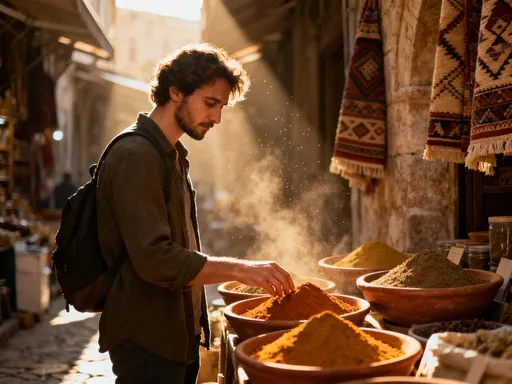
To understand Mandalay’s food, one must rise early and visit its central market at dawn. Long before tourists arrive, the market is alive with activity. Fishmongers arrange glistening snakehead and catfish on ice, their scales catching the morning light. Vegetable vendors stack pyramids of eggplants, bitter melons, and long beans, while spice sellers display mounds of turmeric, dried chilies, and whole cinnamon sticks in colorful heaps. The air is thick with the scent of fresh herbs—coriander, lemongrass, and kaffir lime leaves—mingling with the earthy aroma of raw garlic and ginger. This is where meals begin, not in sterile supermarkets, but in a sensory-rich environment where every ingredient has a story.
What stands out in these markets is how flavor is built from the ground up. Turmeric isn’t just a spice—it’s a cornerstone of Burmese cooking, used for both color and its anti-inflammatory properties. Vendors often sell it fresh, its bright orange flesh staining fingers yellow. Tamarind pulp, sold in sticky bricks, is soaked and strained to create the tangy base of many soups and sauces. Chilies, both fresh and dried, are selected with care, their heat level matching the dish’s purpose. Even the fish sauce and fermented pastes are made locally, with families using traditional methods that can take weeks or months. Watching these ingredients come together, one realizes that Burmese cuisine isn’t about shortcuts—it’s about patience, balance, and respect for raw materials.
For curious travelers, these markets offer more than just shopping—they open doors to informal culinary experiences. Some vendors welcome questions and are happy to explain how they use certain ingredients. Others may invite you to watch a quick demo of how to roll tea leaves or fry fritters. Occasionally, local guides organize small-group cooking tours that begin in the market and end in a home kitchen, where participants learn to prepare classic dishes like mohinga or Shan noodles. These experiences are rarely advertised online—they happen through word of mouth, hotel recommendations, or chance encounters. But for those who seek them, they offer a rare glimpse into the heart of Mandalay’s food culture, where cooking is not a performance, but a daily act of love and tradition.
Unexpected Flavors: The Chinese and Indian Touch in Mandalay
Mandalay’s food identity has been deeply shaped by its immigrant communities, particularly those of Chinese and Indian descent. For generations, families from Yunnan and Guangdong have brought their culinary traditions, adapting them to local tastes and ingredients. Similarly, descendants of Indian traders and laborers have introduced curries, flatbreads, and lentil dishes that now feel inseparable from the city’s food landscape. These influences aren’t superficial—they are woven into the fabric of everyday eating, creating a fusion that is natural, unpretentious, and delicious.
One of the most beloved hybrid dishes is danpian—a Burmese-Chinese noodle soup that combines wheat noodles with a rich, slightly spicy broth made from pork bones and soy sauce. Topped with minced pork, preserved vegetables, and a swirl of chili oil, it’s a dish that satisfies on multiple levels: warm, hearty, and deeply flavorful. Unlike the more famous mohinga, which is fish-based and tangy, danpian leans savory and umami-rich, appealing to those who crave something closer to ramen or dan dan noodles. The best versions are found in unmarked eateries near the old Chinatown district, where families have run the same stall for decades. These spots often have no English signs, no menus, and no tables—just a few stools and a steaming pot that draws customers from dawn until mid-morning.
Another surprising favorite is samosa soup—a dish that reflects the Indian influence in the most delightful way. Instead of serving samosas dry with chutney, Mandalay cooks simmer them in a light, spiced broth with potatoes, peas, and turmeric. The result is a comforting, aromatic soup that combines the flakiness of fried pastry with the warmth of a curry-like liquid. It’s often eaten for breakfast or as a midday snack, especially during the cooler months. Finding the best version requires some exploration, but locals often point to small stalls near the 80th Street Market, where Muslim vendors serve it alongside fresh naan and sweet milky tea. These spots are rarely crowded with tourists, meaning prices remain fair and the food stays authentic. For travelers, trying these fusion dishes is a reminder that Mandalay’s cuisine isn’t static—it’s alive, evolving, and deeply inclusive.
Dining With a View: Balancing Atmosphere and Authenticity
While street food offers the most direct connection to Mandalay’s culinary roots, some travelers seek a more comfortable setting—a place to relax, enjoy a view, and still taste authentic flavors. Fortunately, the city offers several rooftop restaurants that deliver on both atmosphere and quality. Perched atop guesthouses or family-run hotels, these spots provide panoramic views of the city, the Irrawaddy River, or the distant Sagaing Hills. As the sun sets and the temple spires glow in golden light, diners sip lemongrass tea and dig into plates of curried chicken, fermented tea leaf salad, and crispy spring rolls. The menu is often a curated version of street food classics, prepared with slightly more refinement but without losing their essential character.
These rooftop venues cater to both tourists and locals, creating a bridge between accessibility and authenticity. The food may be plated more neatly, and the seating more cushioned, but the ingredients remain the same. Many of these restaurants source their produce from the same markets as street vendors and employ cooks trained in traditional methods. The difference lies in the experience: you can enjoy bold, spicy flavors without squatting on a plastic stool or navigating language barriers. For families, older travelers, or those with dietary sensitivities, this balance is invaluable. It allows them to engage with Mandalay’s food culture in a way that feels safe and enjoyable, without sacrificing the essence of what makes it special.
Still, it’s worth noting that the most authentic flavors often lie off the beaten path, in no-sign eateries tucked into quiet alleys or behind temples. These places have no websites, no English menus, and no view—just a handful of tables and a cook who knows exactly how to balance chili, salt, and sour. To find them, ask hotel staff, follow local office workers at lunchtime, or simply wander with an open mind. The reward is not just a great meal, but a moment of connection: a shared smile, a gesture of welcome, a small act of hospitality that transcends language. In these spaces, food becomes more than sustenance—it becomes a bridge between strangers.
How to Eat Like a Local: Practical Tips for Food-Loving Travelers
Eating like a local in Mandalay begins with a few simple but powerful phrases. While many vendors in tourist areas speak basic English, knowing a few words in Burmese goes a long way. Saying “spicy?” with a questioning look can be translated as “ālʼ se?” (pronounced “al seh?”), and “no spice” is “mʼ shay”. Asking “What’s good today?” can be expressed as “nʼ pyaw la? ” (“en pyaw lah?”), a phrase that often leads to a proud smile and a special recommendation. Even if your pronunciation is imperfect, the effort is appreciated and often rewarded with extra warmth—and sometimes, an extra spoonful of your favorite condiment.
Timing also plays a crucial role in the food experience. The best street food is often served in limited batches, especially dishes like mont lin maya or fresh noodles, which lose their texture if left out too long. Arriving early—between 7 and 9 a.m. for breakfast or 5 and 7 p.m. for dinner—increases your chances of getting food cooked to order and at its peak freshness. Midday can be quieter, but some vendors take breaks during the hottest hours, so it’s wise to observe local patterns. Weekends, especially Sunday mornings, bring out more specialty vendors, making it an ideal time to explore markets and try seasonal dishes.
Finally, staying hydrated and stomach-safe is essential when diving into bold, fermented, and spicy foods. Drink only sealed bottled water, and avoid fruit juices or smoothies from unknown sources. Coconut water from fresh coconuts is generally safe and helps replenish electrolytes. Eating smaller portions across multiple stalls allows your body to adjust gradually. Many locals drink warm water or green tea with meals to aid digestion, and carrying a small pack of probiotic tablets or digestive enzymes can provide extra support. Above all, approach the food with curiosity and respect. Let go of expectations, embrace the unfamiliar, and remember that every meal in Mandalay is an invitation to connect—not just with flavors, but with people, history, and a way of life that values generosity, simplicity, and shared joy.
Mandalay doesn’t just feed you—it invites you in. Every meal here feels like a conversation, a connection, a moment of shared life. Beyond the golden pagodas and royal palaces, the true heart of the city beats in its bustling stalls, smoky grills, and humble bowls of noodles. To taste Mandalay is to understand it. So pack your appetite, leave your fear of spice behind, and get ready to eat your way through one of Southeast Asia’s most underrated food cities.