Why Ghent’s Hidden Food Gems Are Perfect for a Self-Drive Escape
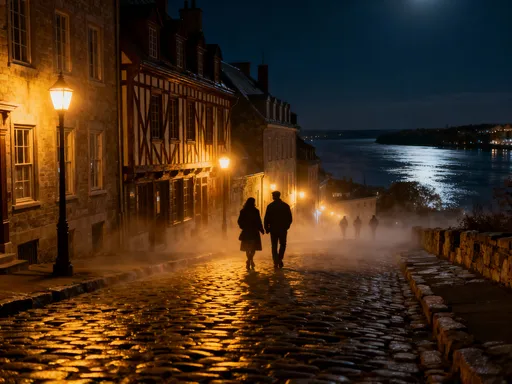
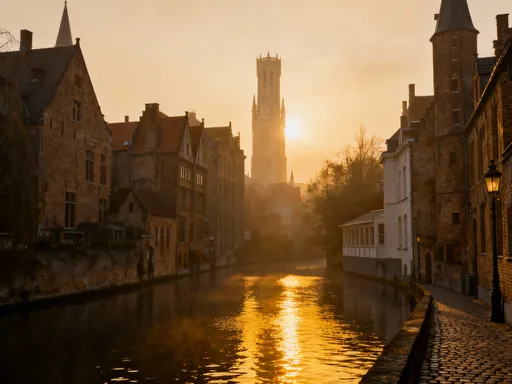
You know that feeling when a city surprises you with flavors you never expected? Ghent, Belgium, did exactly that for me. Driving into this medieval beauty gave me the freedom to explore secret spots at my own pace—and let me tell you, the food? Absolutely mind-blowing. From tucked-away bistros to markets bursting with local flavor, this trip was all about savoring authenticity, one self-guided detour at a time. The cobblestone lanes, the soft glow of lanterns reflecting off the canals, the quiet hum of a city that moves with rhythm but not rush—Ghent invites you to slow down. And when you arrive by car, you’re not just visiting. You’re weaving yourself into the fabric of the place, stopping where others speed past, lingering where the aromas pull you in. This is not a checklist tour. It’s a sensory journey, rooted in real moments and real meals.
The Allure of Self-Driving in Belgium
Traveling through Belgium by car transforms the way you experience its cities and countryside. While trains and buses offer convenience, they come with fixed schedules and limited access to quieter, more intimate corners of a destination. Driving into Ghent, just an hour from Brussels or 90 minutes from Bruges, gives travelers a rare sense of autonomy. You’re no longer bound by transit maps or last calls. Instead, you can leave early in the morning, arrive as the city wakes, and park near the historic center with ease—especially outside peak hours. Modern parking facilities, including multi-story garages and designated zones on the city’s edge, make it simple to store your vehicle and explore on foot once you’ve settled in.
But the real advantage of self-driving reveals itself in spontaneity. Imagine spotting a roadside sign for a local market just outside the city or catching wind of a seasonal dish at a family-run brasserie. With your own car, you can pivot without penalty. You’re free to take a midday break in a sun-dappled village, enjoy a late-afternoon coffee in a quiet square, and return to your accommodation without worrying about missed connections. This flexibility is especially valuable for travelers who appreciate a relaxed pace—one that allows for deep immersion rather than rushed sightseeing.
Moreover, driving opens access to culinary spots just beyond the tourist trail. Some of the most authentic dining experiences in the Ghent region are located in residential neighborhoods or small towns nearby, where public transit is sparse. These places often rely on word-of-mouth and local patronage, not online rankings. Arriving by car means you can visit them without difficulty, enjoying a meal in a setting that feels untouched by mass tourism. The journey itself becomes part of the adventure, with scenic routes winding through Flanders’ gentle hills, patchwork farmlands, and centuries-old windmills that punctuate the horizon.
For families or small groups, the comfort and convenience of a rental car add another layer of ease. Carrying shopping bags from a morning market, packing picnic supplies, or returning with a bottle of locally brewed beer—all are simpler when you have space and control. And for those who love planning their own itineraries, driving offers the chance to craft a truly personalized experience. Whether you’re drawn to a weekend getaway or a longer stay, having a car means you’re never limited by distance, timing, or accessibility. It’s this freedom that makes a self-drive escape to Ghent not just practical, but deeply rewarding.
Ghent’s Culinary Identity: More Than Just Waffles
When many think of Belgian cuisine, waffles, fries, and chocolate immediately come to mind. While these treats are undeniably delicious, Ghent’s food culture runs much deeper. Rooted in centuries-old Flemish traditions, the city’s culinary scene is a celebration of seasonal ingredients, slow cooking, and regional pride. Meals here are not rushed affairs but moments to gather, share, and savor. The kitchen reflects the land—rich in dairy, hearty grains, fresh produce, and high-quality meats—resulting in dishes that are both comforting and refined.
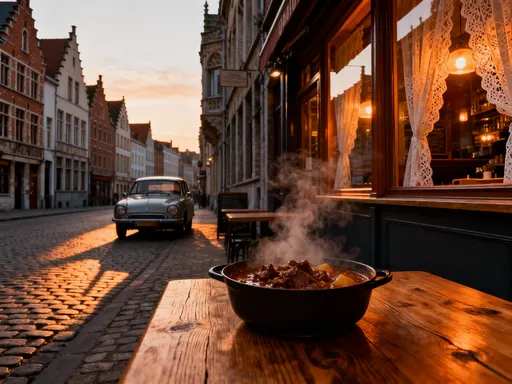
One of the most iconic Flemish specialties is waterzooi, a creamy stew traditionally made with chicken or fish, root vegetables, leeks, and herbs. Originating in the Ghent region, this dish is a testament to resourcefulness and flavor balance. Its velvety texture and delicate taste reveal the care that goes into preparation. Another staple, stoofvlees, or Flemish beef stew, simmers for hours in dark beer, often enriched with mustard and brown sugar. Served with a side of golden fries or buttery mashed potatoes, it’s the kind of meal that warms you from the inside out, especially on a cool autumn evening.
Sweet treats are equally embedded in local identity. Speculoos, the spiced shortcrust biscuits often flavored with cinnamon, nutmeg, and clove, are a beloved tradition. Baked during festivals or enjoyed year-round with coffee, they represent the intersection of home and heritage. These flavors have also inspired modern interpretations, such as speculoos spread and desserts infused with the same warm spices. But beyond individual dishes, what defines Ghent’s food culture is its emphasis on authenticity. Many restaurants source ingredients from nearby farms, support local dairies, and honor time-honored techniques passed down through generations.
Family-run eateries and neighborhood bistros play a crucial role in preserving this culinary identity. Unlike flashy, trend-driven venues, these establishments focus on consistency, hospitality, and quality. The chef might greet you at the door, the menu could change weekly based on market availability, and the wine list often highlights Belgian and regional producers. In these spaces, dining feels personal. There’s no pretense—just good food, warm service, and a sense of belonging. This authenticity is what draws visitors back, not once, but repeatedly. It’s not just about what’s on the plate, but the story behind it.
Finding the Real Deal: Specialty Dining Spots Worth the Drive
While Ghent’s city center is filled with appealing cafes and restaurants, some of the most memorable meals happen just off the main paths. These are the places you’re unlikely to stumble upon without a bit of local insight or the freedom to explore by car. Hidden in quiet streets, nestled in converted townhouses, or tucked behind canal-side courtyards, these dining spots offer more than just food—they provide an experience rooted in place and personality.
One category of standout venues includes those that focus on seasonal, hyper-local menus. These kitchens operate like culinary gardens, changing offerings based on what’s fresh and available. A spring menu might feature asparagus from nearby fields, paired with soft-boiled eggs and chervil butter, while autumn brings wild mushrooms, roasted duck, and caramelized root vegetables. The emphasis is on minimal processing and maximum flavor, allowing ingredients to speak for themselves. These restaurants often partner directly with farmers, cheesemakers, and bakers, reinforcing a farm-to-table philosophy that feels both sustainable and sincere.
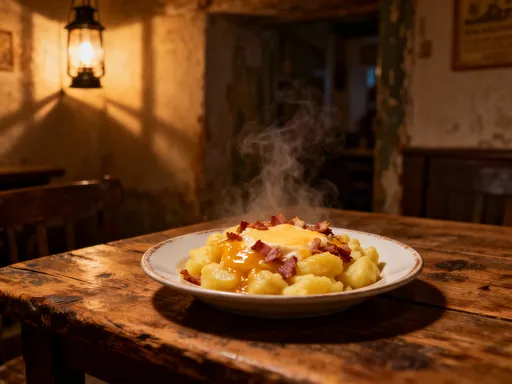
Another type of destination is the historic bistro or brasserie housed in a centuries-old building. Imagine dining in a former guildhall with exposed beams, candlelight flickering against stone walls, and the scent of slow-cooked meat filling the air. These settings enhance the meal, turning dinner into a multisensory event. The service is often attentive without being formal, and the wine list features selections from small Belgian vineyards or neighboring regions in France and the Netherlands. It’s not about luxury—it’s about atmosphere, history, and the quiet confidence of a place that doesn’t need to advertise.
Some of the most rewarding spots are those that specialize in a single dish or tradition. A bakery known for its handmade pâté en croûte, a café famous for its daily soup served with crusty sourdough, or a family-run spot that has perfected the art of the beef stew—these are the places where mastery meets consistency. They may not have Instagrammable interiors or celebrity chefs, but they earn loyalty through reliability and taste. And because they’re often located in residential areas or on the quieter edges of the city, having a car makes visiting them not just possible, but pleasant.
Navigating to Hidden Bistros: How to Discover Local Favorites
Finding Ghent’s best-kept culinary secrets requires more than a map—it takes curiosity and a willingness to wander. While guidebooks and review sites offer starting points, the most authentic experiences often come from personal discovery. One of the most effective ways to locate under-the-radar spots is to consult local food blogs or regional publications written by residents who live and eat in the city. These sources often highlight venues that fly under the radar of international platforms, focusing on quality, tradition, and community rather than ratings or trends.
Another powerful strategy is to ask. A conversation with a shopkeeper at a morning market, a chat with a bookseller in a quiet neighborhood, or a question posed to a barista can lead to unexpected recommendations. Locals are often proud of their favorite places and happy to share them with respectful travelers. These suggestions tend to point toward spots that are consistent, welcoming, and representative of true Ghent hospitality. And because they’re not widely advertised, these restaurants often offer a more relaxed atmosphere, especially during weekday lunches or early dinners.
When exploring on foot, it helps to move beyond the central tourist zones. Wander into side streets just a few blocks from Graslei or Korenmarkt, where the architecture remains historic but the crowds thin out. Look for places with handwritten menus in the window, tables set for fewer than 30 guests, or signs indicating daily specials. These are often indicators of small-scale, owner-operated venues where attention to detail is high. Arriving by car gives you the advantage of being able to explore these areas without fatigue, and to leave without relying on public transit schedules.
Timing also plays a role in the quality of the experience. Visiting midweek, rather than on weekends, can mean shorter waits, more attentive service, and a better chance of interacting with the chef or owner. Early evening reservations allow you to enjoy dinner in a peaceful setting before the dinner rush, while a late lunch lets you avoid the tourist lunch crowd entirely. These small adjustments can transform a meal from routine to memorable. And with your own vehicle, you’re free to follow your rhythm, not someone else’s timetable.
Balancing Exploration and Relaxation: Timing Your Culinary Journey
A successful food-focused getaway isn’t just about how many meals you eat—it’s about how you experience them. Rushing from one restaurant to the next can dull the senses and leave you feeling overwhelmed rather than enriched. The self-drive format allows for a more balanced approach, where meals are spaced out, digestion is supported, and enjoyment is maximized through mindful pacing.
Starting the day early is a wise strategy. Arriving in Ghent by mid-morning gives you time to park, stretch your legs, and begin with a light breakfast at a local bakery. A fresh croissant, a slice of fruit tart, or a warm speculoos cookie with coffee sets a gentle tone. From there, you can explore on foot—perhaps visiting St. Bavo’s Cathedral or strolling along the Leie River—before settling into a leisurely lunch at a hidden bistro. This timing allows flavors to linger, conversations to unfold, and the meal to feel like an event, not a pit stop.
After lunch, a break in one of Ghent’s green spaces offers both physical and mental refreshment. Citadelpark, with its tree-lined paths, small lake, and open lawns, is ideal for a slow walk or a quiet bench moment. The act of moving after eating supports digestion and clears the mind, preparing you for the next phase of exploration. You might follow this with a visit to a museum, a chocolate tasting, or simply more wandering through the city’s atmospheric quarters.
Dinner can then be the highlight of the evening—a chance to unwind and reflect on the day. Choosing a restaurant with a warm ambiance and a well-curated menu turns the final meal into a celebration. Whether it’s a rich waterzooi, a perfectly seared piece of regional fish, or a cheese board featuring local varieties, the experience becomes more meaningful when approached with presence. And because you’re driving, you can leave at your own pace, perhaps stopping for a nightcap at a quiet bar or enjoying the illuminated canals on your way back to your car.
This rhythm—eat, walk, rest, explore—creates a travel day that feels nourishing rather than exhausting. It respects the body’s natural cues and enhances the pleasure of each moment. A self-drive escape makes this balance achievable, giving you the tools to craft a day that feels both full and peaceful.
Beyond the Plate: Pairing Food with Culture in Ghent
In Ghent, food is never isolated from the rest of life—it’s woven into the city’s cultural fabric. A meal is not just sustenance; it’s a pause in a day of discovery, a moment of connection, a sensory anchor that ties memory to place. Whether you’re sipping a Trappist beer at a café overlooking the Graslei, sampling handmade chocolates after touring the medieval guildhalls, or sharing a plate of fries with a view of the Belfry, each bite enhances your understanding of the city.
The historic architecture, the flow of the canals, the rhythm of daily life—all of it finds reflection in the kitchen. Dining in a centuries-old building, you’re not just eating; you’re stepping into history. The same care that preserved the city’s skyline is evident in the way chefs honor traditional recipes. Even modern interpretations of Flemish cuisine often pay homage to the past, using innovation to highlight, not replace, heritage.
Food also fosters connection—with locals, with companions, with the moment itself. Sitting at a shared table, ordering from a menu written in Dutch, or trying a dish you’ve never heard of before—all of these experiences invite engagement. They break down the barrier between visitor and resident, creating space for genuine interaction. And because Ghent is a city that values hospitality, these moments often come with a smile, a recommendation, or a small extra on the plate.
For travelers, this integration of food and culture deepens the journey. It transforms a simple trip into a lived experience. You don’t just see Ghent—you taste it, smell it, feel it. The city reveals itself not only through its landmarks but through its flavors, its rhythms, its quiet pride. And when you arrive by car, you’re able to move through this world at your own pace, stopping where it matters, lingering where it feels right.
Why This Road Trip Stays With You
Some trips fade from memory, remembered only in photos or souvenirs. Others leave a lasting impression—not because of grand sights or luxury stays, but because they felt real. A self-drive food escape to Ghent is one of those experiences. It’s not about ticking off attractions or chasing trends. It’s about slowing down, tuning in, and discovering the soul of a place through its most personal expression: food.
The freedom of driving amplifies this journey. It allows for spontaneity, for detours, for moments of quiet discovery. You might find yourself in a village market, drawn by the scent of freshly baked bread, or stopping at a roadside stall for a glass of local cider. These unplanned moments often become the most cherished—proof that the best travel experiences aren’t always the ones you prepare for, but the ones you stumble into with openness and curiosity.
And in Ghent, where tradition and authenticity are deeply valued, those moments are everywhere. They’re in the steam rising from a bowl of waterzooi, in the crunch of a perfectly fried frite, in the warmth of a server who remembers your name. They’re in the way a city reveals itself not all at once, but gradually, like layers unfolding over a long conversation.
More than just a culinary adventure, this kind of trip fosters a deeper connection—to place, to culture, to yourself. It reminds you that travel is not just about where you go, but how you move through the world. With a car, a map, and an appetite for the real, you can craft a journey that feels both personal and profound. So the next time you plan a getaway, consider the open road, the quiet streets, the hidden bistro with no sign but a light in the window. Because sometimes, the best meals—and the best memories—wait just around the corner.